
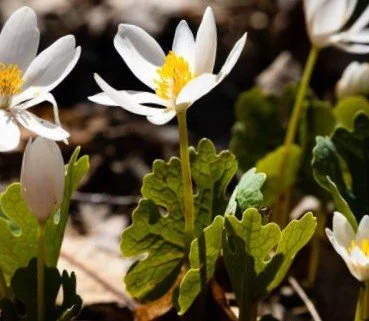
This native North American perennial is famous for its "wraparound" leaves and brilliant white blossoms that emerge while most of the garden is still waking up. It gets its name from the bright reddish-orange sap found in its roots, which was historically used as a natural dye.
Bloodroot emerges after the snow melts and before the deciduous trees leaf out. The flower bud emerges wrapped tightly in a single, deeply lobed, light green leaf. Once the flower blooms, the leaf unfurls to provide a lush, uniquely shaped groundcover that remains beautiful well into the summer before going dormant.
Sun Exposure Part Shade to Full Shade
Water Needs Medium; keep soil moist but well-drained
Soil Type Rich to neutral loam, woodland soil
Mature Height 6 to 12 inches
Deer Resistance High
Bloom Time April, May
Bloom Color White
Plant Spacing 6 to 10 inches
Pollinator Friendly: One of the earliest food sources for native bees and pollinators. Ants are attracted to a sweet part on the seed and are instrumental in distributing this spring ephemeral around the woods
Naturalizing: Over time, Bloodroot will slowly spread via rhizomes to create a stunning colony under deciduous trees.
Low Maintenance: Once established in the right shade environment, it requires very little intervention.
Unique Foliage: Even after the petals drop, the large, scalloped leaves offer a unique texture that contrasts beautifully with ferns and other woodland plants.
Note: Use caution when handling the roots, as the red sap can stain skin and clothing.
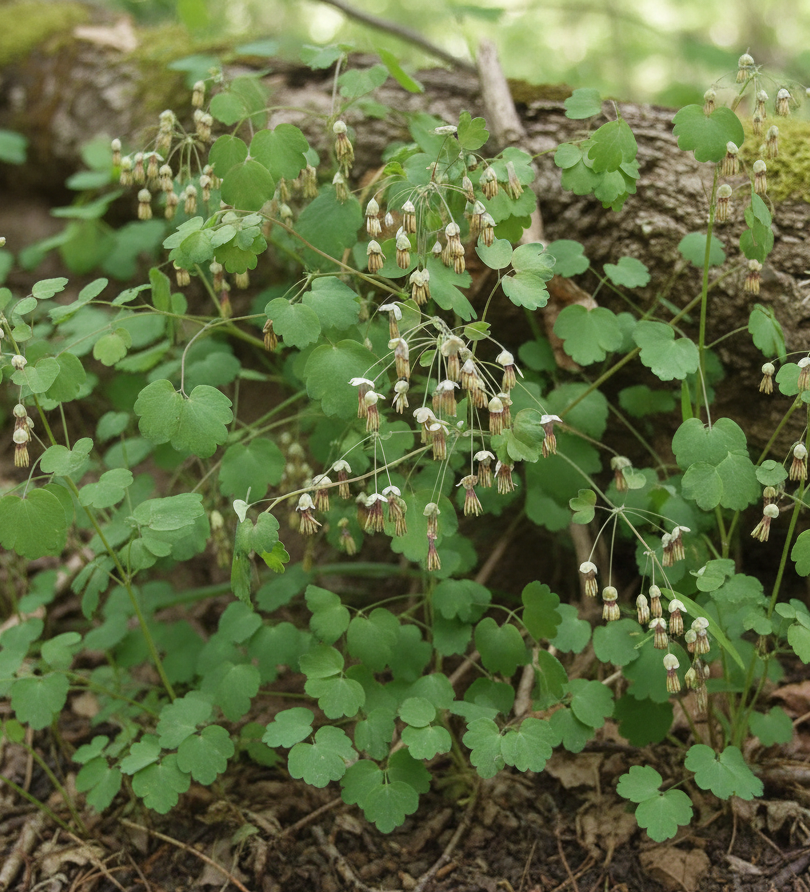
Known for its delicate, fern-like foliage that resembles a Maidenhair Fern or Columbine, this native perennial adds a soft, airy texture to any shaded garden. It is one of the first plants to emerge in the spring. The dioecious plant grows either male, or female or female flowers on separate plants. The male plants produce dangling, tassel-like yellow stamens that look like tiny chandeliers. The female plants tend to maintain a more upright appearance and are greenish-white flowers with pale purple pistils. This understated beauty is perfect for gardeners who appreciate intricate details and fine foliage.
Sun Exposure Part Shade to Full Shade
Water Needs Medium; prefers consistent moisture
Soil Type Rich, moist, well-drained Loam or Sandy soils
Mature Height 1 to 2 feet
Deer Resistance High
Bloom Time April – May
Bloom color White
Plant Spacing 10 - 12 inches
Lacy Foliage: The blue-green, compound leaves remain attractive throughout the growing season, providing a beautiful contrast to broader-leaved plants like Wild Ginger.
Wind Pollinated: Because it relies on the wind rather than insects for pollination, its flowers have a unique, hanging structure designed to catch the spring breeze. It is best to plant several plants near each other since seed production is dependent on the wind.
Non-Aggressive: A polite clump-forming plant that fits perfectly into a rock garden or as an accent along a woodland path.
Host Plant: Serves as a food source for several specialized moth species, including the Pink-Tinted Beauty.
Black Walnut Tolerant
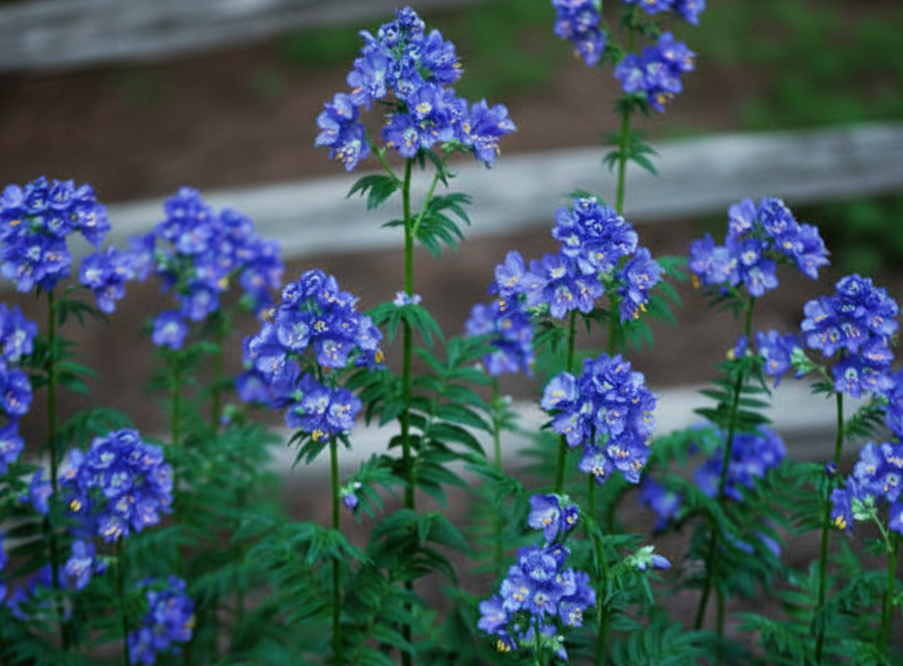
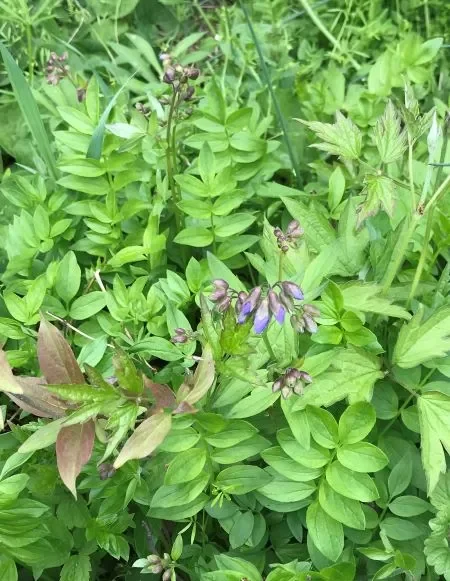
Jacob's Ladder is a classic spring beauty whose name comes from its unique, ladder-like foliage—neat rows of small, paired leaflets that climb up the stems like the rungs of a ladder. In mid-to-late spring, this lush greenery is topped with clusters of delicate, bell-shaped flowers ranging from shades of pink to blue.
This native perennial is highly prized for its "polite" growing habit. It forms a tidy, mounded clump that provides a fine-textured backdrop for larger woodland plants. Whether planted along a shaded walkway or tucked into a rock garden, Jacob’s Ladder offers a cooling, serene presence as the garden transitions from spring to summer.
Sun Exposure Full Sun (if has adequate moisture) Part Shade to Full Shade (preferred)
Water Needs Medium; prefers consistent moisture
Soil Type Loose, rich, moist, well-drained Clay, Loam or Sandy soils
Mature Height 1 foot
Deer Resistance High
Bloom Time April – June
Bloom Color Blue
Plant Spacing 6 to 12 inches
Foliage: The "ladder" leaves provide exceptional texture and remain attractive long after the short blooming flowers have faded.
Tolerant & Tough: Unlike some delicate spring wildflowers, Jacob’s Ladder is quite sturdy and can handle a variety of soil conditions as long as it doesn't dry out completely.
Black Walnut Tolerant
Early Pollinator Support: The bell-shaped blooms are a favorite for early-emerging native bees, including mining bees and bumblebees.
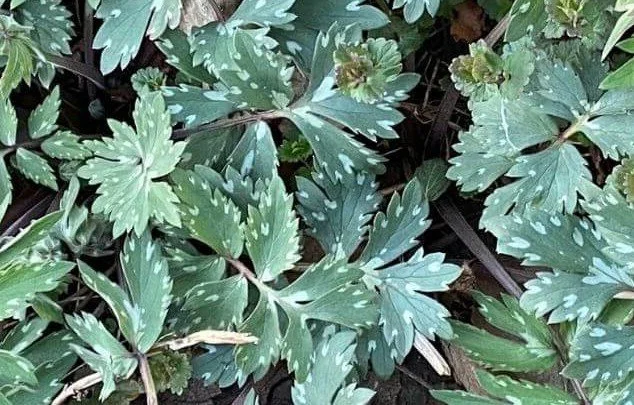
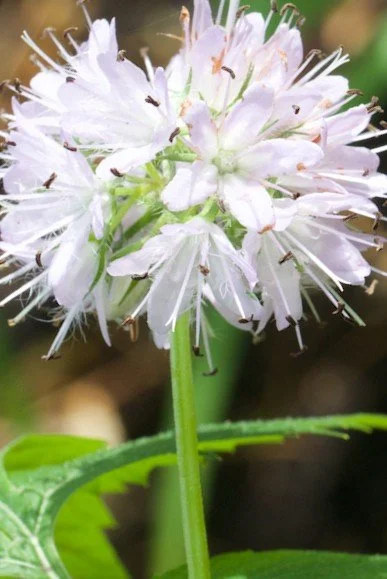
Known for its beautiful "water-spotted" foliage and unique, shimmering blooms, its name comes from the distinctive silvery-white markings on its young leaves, which look as though water has splashed across them and left a permanent stain. These markings usually fade as the summer heat sets in, leaving behind a lush, deep green backdrop. In late spring, the plant sends up clusters of delicate, bell-shaped flowers that range from white to pale lavender. The flowers feature long, protruding stamens that give them a whimsical, "fuzzy" appearance. This plant is a rapid grower that excels at filling in gaps between larger shrubs or trees, creating a dense and healthy woodland floor.
Sun Exposure Part Shade to Full Shade
Water Needs Medium to High; prefers moist soil
Soil Type Rich, moist Loam
Mature Height 1 to 2 feet
Deer Resistance Moderate
Bloom Time May – June
Bloom Color Shades of lavender to white
Plant Spacing 10 to 12 inches
Decorative Foliage: The deeply lobed leaves provide excellent texture even when the plant is not in bloom.
Efficient Groundcover: Virginia Waterleaf spreads via rhizomes and self-seeding, making it perfect for naturalizing large areas where you want to suppress weeds.
Hardy & Resilient: It thrives in the dappled sunlight of a forest edge and is quite competitive, holding its own against more aggressive garden plants.
Can be aggressive spreader: keep this in mind when picking your planting site.
Pollinator Powerhouse: The nectar-rich flowers are a major draw for native bees, including bumblebees and masonry bees, as well as beneficial syrphid flies.
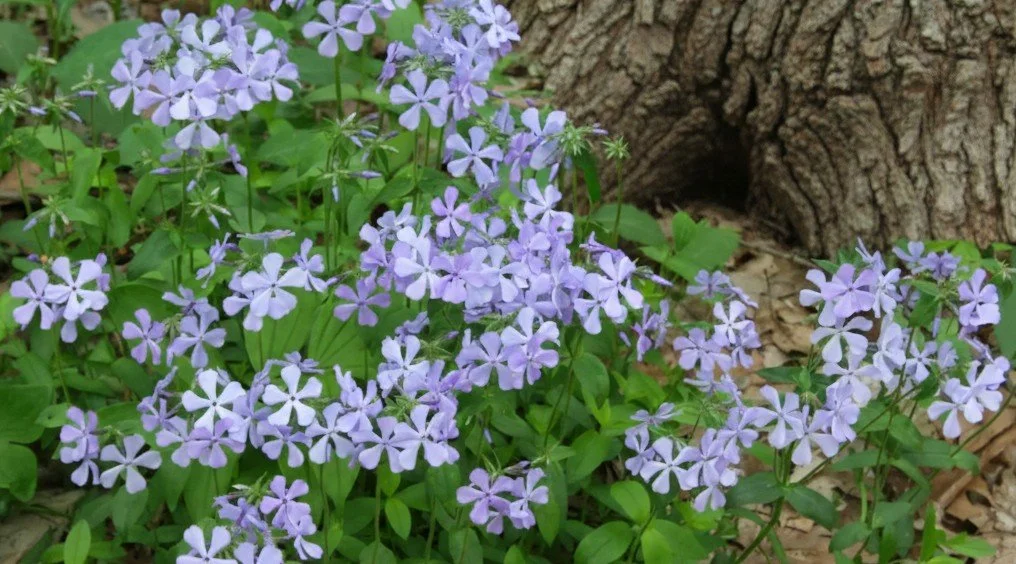
Unlike the tall garden phlox of midsummer, this native variety stays low to the ground, forming drifts of sky-blue to pale lavender blossoms. The plant features semi-evergreen foliage that stays close to the earth, sending up slender flowering stems. It is the perfect choice for naturalizing under deciduous trees, where it creates a "blue mist" effect that bridges the gap between early spring bulbs and summer greenery. It is also known as Woodland Phlox.
Sun Exposure Part Shade to Full Shade
Water Needs Medium; prefers consistent moisture
Soil Type Rich, moist, well-drained Clay, Loam or woodland soil
Mature Height 10 to 15 inches
Deer Resistance Low toModerate
Bloom Time April, May, June
Bloom Color Blue
Plant Spacing 10 to 12 inches
Black Walnut Tolerant
Blooms: The flowers range from pale lavender or violet to blue. The flowers sit atop sticky stems and have a slight sweet fragrance.
Versatile Groundcover: While it is a clumping perennial, it will slowly spread via creeping stems that root at the nodes, making it an excellent filler for woodland gaps.
Early Season Structure: The foliage remains attractive throughout the summer after the blooms have finished, providing a lush green base for other plants.
How to Identify: Phlox have 5 petals and the leaves on Phlox have opposite leaves. There is an invasive look-alike, Dame’s Rocket, that has 4 petals and alternate leaves.
Pollinator Magnet: The long-tubed flowers are a critical early-season nectar source for long-tongued insects, especially to hummingbirds, Clearwing Moths and butterflies.
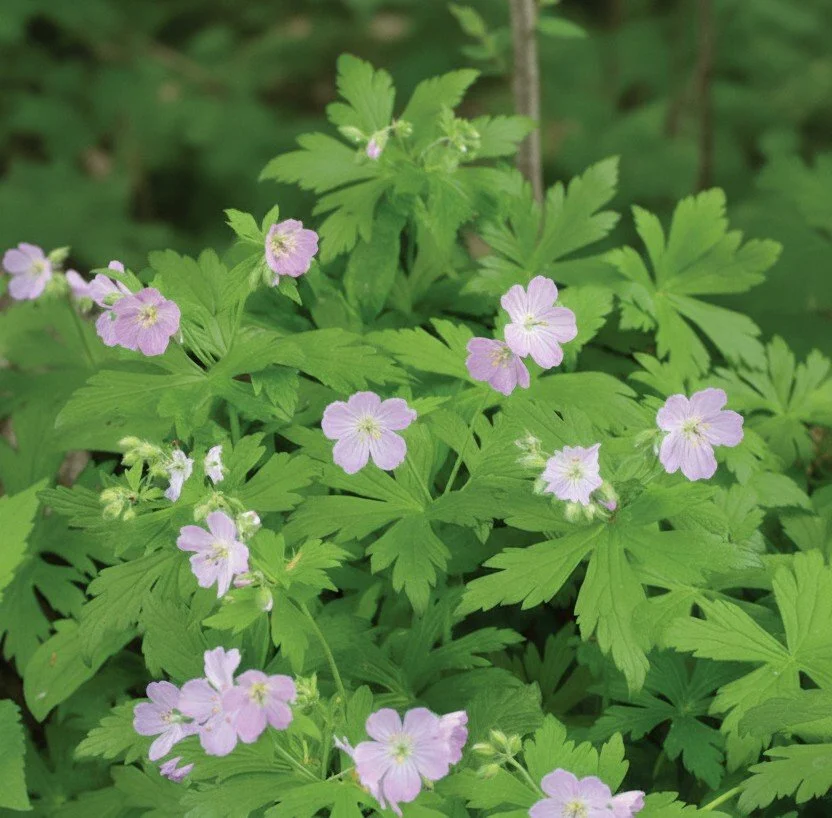
This native perennial is highly prized for its loose clusters of five-petaled, rose-pink to lavender-purple flowers that are very attractive to pollinators. Each bloom is etched with delicate fine lines that act as "nectar guides" for visiting pollinators. Unlike its cultivated cousins, the Wild Geranium is perfectly suited for the dappled light of a forest edge or a shaded garden bed, but it will do just as well in the sun!
Sun Exposure Full Sun, Part Shade, Shade
Water Needs Medium; prefers consistent moisture but is quite adaptable
Soil Type Rich, moist, well-drained Clay, Loam or Sand
Mature Height 1 to 2 feet
Deer Resistance High
Bloom Time April – July
Bloom Color Lavendar
Plant Spacing 10 to 12 inches
Black Walnut Tolerant
Self-Seeding Beauty: One of the most charming features is its seed pods, which resemble a crane’s bill. When ripe, they "spring" open to launch seeds several feet away, allowing the plant to naturalize beautifully without being aggressive.
Textured Foliage: The large, hand-shaped leaves provide an excellent mid-height filler that covers the ground effectively, helping to suppress weeds.
Versatility: While it loves the shade, it can handle more sun if the soil is kept sufficiently moist.
Nectar Source: A vital early-season food source for many native bees, including mining bees, mason bees, and bumblebees.
Butterfly Support: Frequently visited by several species of butterflies and skippers for its accessible nectar.
Host Plant: Serves as a host for the larvae of various moths including the White-Marked Tussock moth.
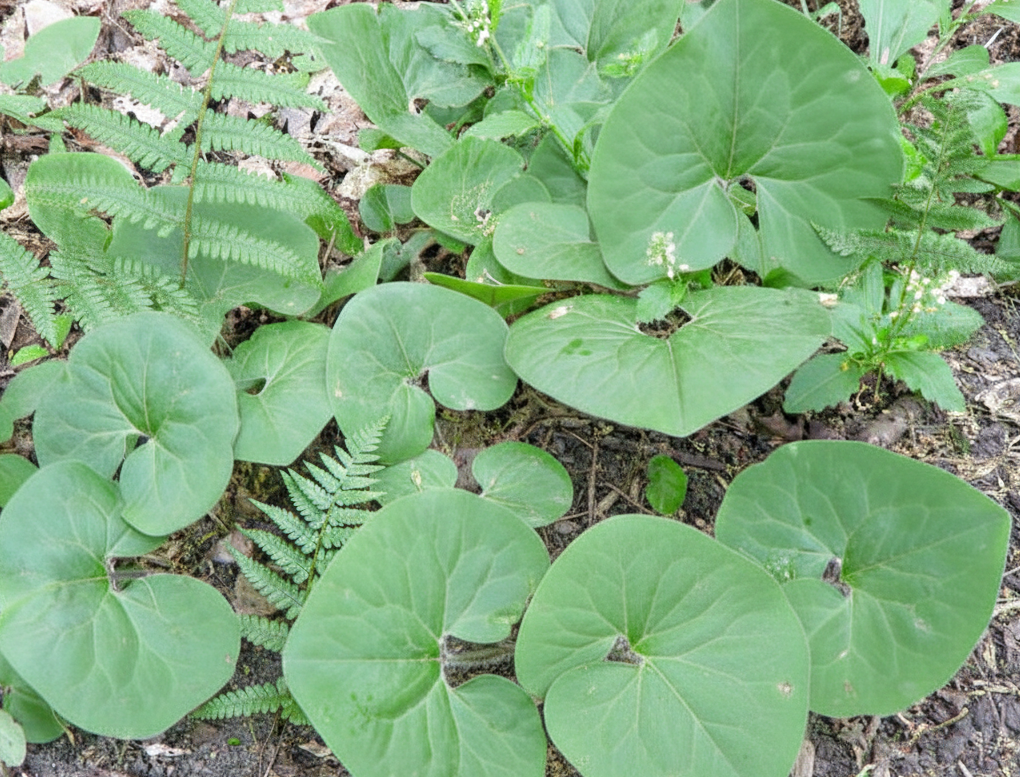
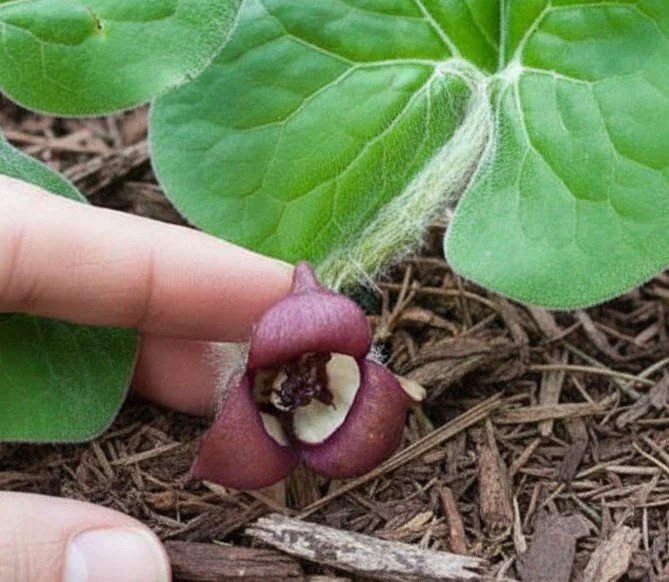
Wild Ginger is a low-growing native groundcover that is a "must-have" for any serious shade gardener. It is best known for its magnificent, heart-shaped leaves that have a soft texture and a rich, green finish. These large, lush leaves overlap to create a dense, weed-suppressing carpet that stays beautiful from early spring until the first hard frost. One of the most charming secrets of Wild Ginger is its flower. In early spring, look beneath the heavy foliage to find unique, jug-shaped, reddish-purple blooms tucked right against the soil. These "hidden" flowers are designed to be pollinated by ground-dwelling insects like beetles and ants.
Sun Exposure Part Shade to Full Shade
Water Needs Medium to High; thrives with consistent moisture
Soil Type Loam, Clay or Sand
Mature Height 6 to 10 inches
Deer Resistance High
Bloom Time April – June
Bloom Color Reddish -purple
Plant Spacing 6 to 12 inches
Black Walnut Tolerant
Texture: The heart-shaped leaves can be 6” in diameter. Leaves are shiny when open and the stems are hairy. It will keep its foliage throughout the season.
Superior Groundcover: Because it spreads via shallow rhizomes, it is excellent for stabilizing soil on shaded slopes or filling in the "floor" of a woodland garden.
Drought Tolerant Once Established: While it prefers moisture, it is surprisingly resilient in dry shade once its root system has taken hold.
Pipevine Swallowtail Host: This plant is an essential host for the beautiful Pipevine Swallowtail butterfly; its leaves provide the primary food source for their caterpillars.
Ground-Level Habitat: The dense, low canopy creates a cool, moist microclimate that is vital for spiders, beetles, and small amphibians.
Ant Dispersal: The seeds have a fatty attachment called an elaiosome, which encourages ants to carry them to new locations, helping the plant naturalize in your garden.
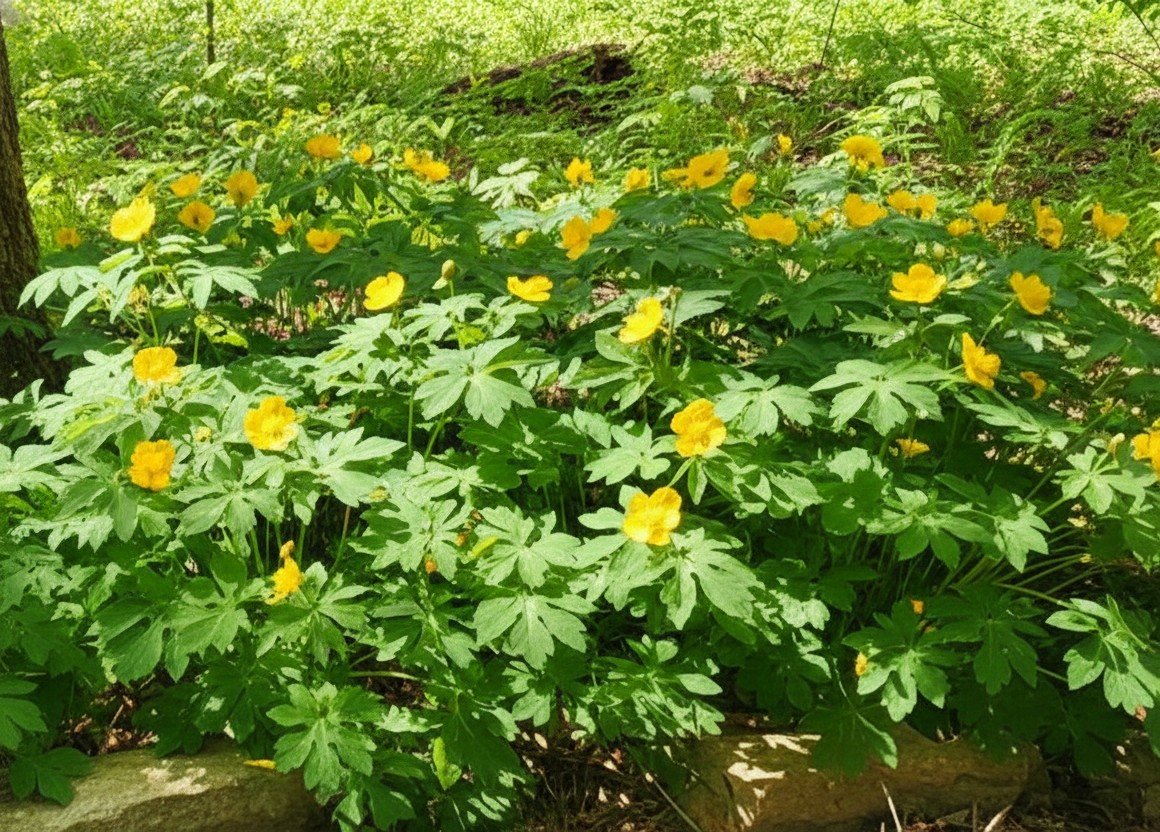
Often called the Celandine Poppy, the Wood Poppy is a beacon of brilliant color for the spring woodland garden. This native perennial is famous for its large, four-petaled flowers in a stunning shade of buttercup-yellow. A standout feature of this plant is its ornamental seed pods—puffy, nodding, and covered in soft hairs, they look like tiny hanging lanterns. It is an exceptionally easy-to-grow native that thrives in those tricky shaded spots where other plants might struggle, creating a cheerful, sun-drenched look even in the deepest shadows.
Sun Exposure Part Shade to Full Shade
Water Needs Medium to High; likes consistent moisture
Soil Type Rich, moist Loam
Mature Height 1 foot
Deer Resistance Moderate
Bloom Time April – May
Bloom Color Yellow
Plant Spacing 10 to 12 inches
Black Walnut Tolerant
Luminous Spring Blooms: Produces 2-inch wide, golden-yellow flowers that stand out against the dark greens of a shade garden.
Textured Groundcover: The bold, fern-like leaves create a mounding habit that fills in beautifully under the canopy of trees.
Self-Naturalizing: It is a prolific seeder in ideal conditions, making it perfect for gardeners who want to establish a sweeping "carpet" of gold over time.
Pollinator Support: The pollen-rich flowers are a magnet for native bees, including bumblebees and early-emerging mining bees.
Ant Partnership: Like Wild Ginger, Wood Poppy seeds have a fatty "treat" (elaiosome) that encourages ants to carry and plant them throughout your garden.
Mammal Food Source: While the foliage is generally avoided by deer and rabbits, the seeds are a valued snack for woodland mice and chipmunks.
No results match your search. Try removing a few filters.