Frequently Asked Questions
-
Choosing plants native to our region is one of the most impactful decisions you can make for your landscape. Unlike traditional ornamental plants, native species have spent thousands of years adapting to our specific local climate, soil chemistry, and rainfall patterns.
Here is why they are the superior choice for your home:
Low Maintenance & Resilience: Once established, native plants are incredibly hardy. Because they evolved in our local climate, they generally require far less water and no chemical fertilizers or pesticides to thrive.
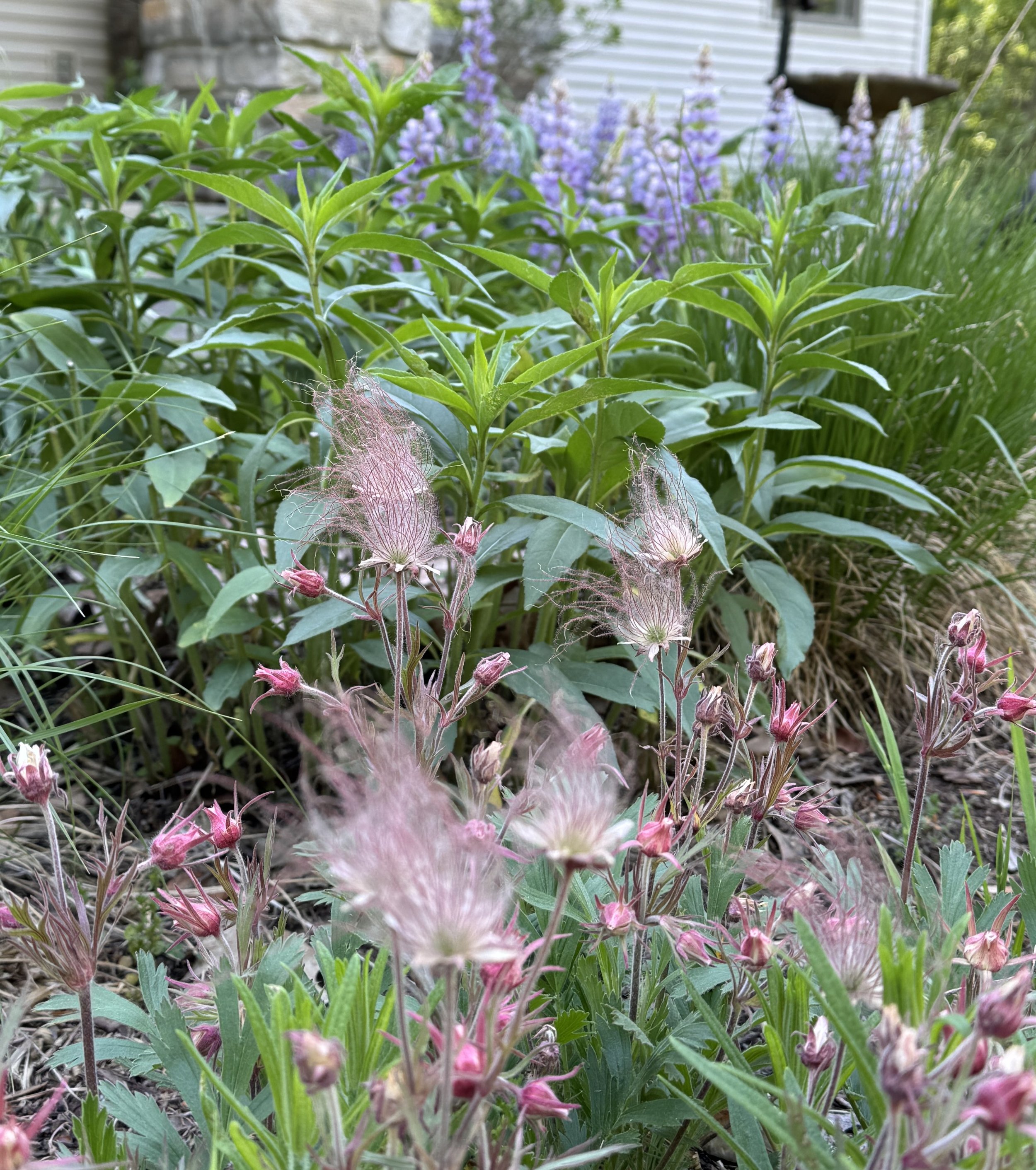
A Lifeline for Pollinators and wildlife: Our local bees, butterflies, insects, birds and mammals depend on native plants for survival. For example, many butterflies can only lay their eggs on specific native "host plants." By planting native, you are creating a vital sanctuary for these species.
Deep Roots for Healthy Soil: Many native grasses and wildflowers have massive root systems—some reaching up to 15 feet underground! These roots help prevent erosion, improve drainage, break up soil compaction and reduce the need for watering.
-
Transitioning to a native landscape doesn't have to happen all at once. The most successful native gardens often start with small, intentional changes that build momentum over time.
Here is the best "roadmap" for beginners:
Start Small: You don't need to dig up your entire lawn today. Pick a single garden bed or a high-visibility corner of your yard. Replacing just one small area of turf with a "clump" of three to five native plants—like Little Bluestem or Prairie Dropseed—creates an immediate visual impact and a "soft landing" for local insects.
Focus on Diversity, Not Quantity: Aim for a mix of grasses and flowering perennials. Grasses provide the structural "backbone" and winter cover, while wildflowers provide the nectar, seed and foliage. This variety ensures your garden is active and beautiful from spring through the first snow.
Observe Your Site: It is important to choose the right plants for your conditions. Before buying, take some time to watch your yard. Does it get 6+ hours of direct sun? Is the soil sandy or does it hold water after a rain? Matching the right plant to your existing Soil Type and Sun Exposure is the secret to a thriving, "zero-effort" garden.
Plant in Groupings: In nature, plants rarely grow in isolation. Planting in groups of three or five of the same species makes it easier for pollinators to find them and creates a more intentional, "designed" look.
Be Patient with the "Establishment Phase": There is an old gardening adage for native plants: "The first year they sleep, the second year they creep, and the third year they leap." Give your plants a little extra water during their first year; once those deep roots are set, they will take care of themselves.
-
The key to a thriving native garden is proper site preparation. Because native plants are so hardy, your main goal is to give them a "clean slate" where they don't have to compete with aggressive turf grass or persistent weeds during their first couple of years. Taking the extra care in the beginning equals less work for you over time.
Here is how to ensure your plants hit the ground running:
Eliminate Existing Competition: This is the most important step. Whether you use sheet mulching (layering cardboard and wood chips), solarization (using clear plastic to heat the soil), or physical removal, ensure the grass and weeds are completely gone before you plant. Native seedlings can easily be "choked out" by vigorous lawn grass and weeds that will sprout from the existing seed bank in your soil.
Know Your Soil Type: One of the biggest perks of native plants is that they rarely need soil amendments. Instead of changing your soil with peat or lime, identify what you have—Sand, Loam, Muck or Clay—and choose plants that evolved for those conditions. If you have heavy clay, don't fight it; plant species like Indian Grass that can handle it!
Avoid the Fertilizer Trap: Native plants are adapted to "lean" soils. Adding high-nitrogen fertilizer often does more harm than good, as it encourages "leggy" growth and makes the plants flop over. It also feeds the weeds more than the natives.
Check Your Drainage: Matching your plant's water needs to your site’s natural drainage is the best way to prevent root rot and ensure long-term success.
Mulch for the First Year: Once your plants are in the ground, apply a 2–3 inch layer of wood mulch or leaf mulch. This suppresses any returning weed seeds and keeps the soil moist while your new plants are establishing those famous deep root systems.
-
These terms are based on how many hours of direct sunlight a site receives during the growing season.
Full Sun = 6-8+ hours
Best for many prairie plants, grasses and flowering natives
Part Shade = 4-6 hours
Works well for woodland edge plants and adaptable natives
Shade = 4 hours or less
best for woodland natives and shade-tolerant plants
-
Sandy soils, or “light soils,” contain large soil particles that are loose and easy to work. They drain water quickly and are very well aerated. Sandy soils do not retain nutrients or moisture well, making them less fertile than other soil types.
Loam soils are intermediate between sandy and clay soils. They contain roughly equal proportions of sand, silt, and clay are quite fertile. This balance allows loam soil to hold plenty of moisture while still draining well enough for air to reach plant roots. Most plants thrive in loam soils.
Clay soils, or “heavy” soils consist of very small, tightly packed soil particles and tend to be dense and difficult to work. Clay soils absorb water slowly but retain it for long periods of time. When wet, the soil becomes slick and forms sticky clumps. When dry, clay soil becomes hard and solid.
Muck soils are rich in organic matter formed from decomposed plant material in wet environments such as swamps or marshes. They are dark in color, soft, and spongy in texture. Muck soils retain large amounts of water and nutrients, making them highly fertile. However, they often drain poorly and can become waterlogged if not properly managed.
-
Native grasses and sedges may look similar, but they are different types of plants with distinct structures and growing habits.
Native grasses have round, hollow stems and leaves that grow in two rows. They belong to the grass family (Poaceae) and are commonly found in prairies, meadows, and sunny landscapes. Many native grasses are drought-tolerant and help stabilize soil and support wildlife.
Sedges have solid, triangular stems—often remembered by the phrase “sedges have edges.” Their leaves grow in three directions around the stem. Sedges belong to the sedge family (Cyperaceae) and are frequently found in wetlands and moist areas, though some tolerate dry conditions. They are especially effective for erosion control and water filtration.
Both native grasses and sedges are important for healthy landscapes, and the best choice depends on site conditions like soil moisture and sunlight.
-
No plant is completely deer-proof. Deer resistance describes how likely deer are to browse a plant, based on taste, scent, texture and local food availability. Browsing can vary by season, drought, location and higher deer populations or pressure.
Low Deer Resistance
Frequently browsed
Deer commonly eat these plants
Most vulnerable in spring when the growth is tender
Best for fenced areas of places with minimal deer activity.
Moderate Deer Resistance
Deer usually avoid mature plants
Young plants and new growth may be nibbled
Browsing increases during drought or when food is scarce
High Deer Resistance
Strong scent, bitter taste, coarse texture
Still not deer-proof, but much more reliably avoided
-
We do not have regular business hours, but we would love you to email or call for an appointment.
-
Quart Pot
A deep 4x4.5" square pot is our standard. Well-developed roots help the plant establish quickly. All plants are in a single quart pot unless otherwise stated.
Plug Flat
A plastic tray with 38 plants. Each plug is 5" deep and spaced for optimal crown growth.
-
We are not set-up to take payment through the website at this time.
We accept orders from February 1 through October 15. Any orders placed before May 1 will need to wait until weather and plant growth allows to pick up or receive shipped orders. Our plants are usually ready between May 1 and May 15.
Please contact us via phone 231-670-5599 or email mittennursery@gmail.com to secure your order and to confirm plant availability.
-
Mitten Native Nursery is committed to providing high-quality Michigan genotype native plants. We guarantee that all plants are true to name and will arrive in healthy condition.
Because plant performance depends heavily on conditions beyond our control, no other guarantee is expressed or implied. Factors such as neglect, improper planting or placement, weather, soil conditions, deer browsing, and other animal damage are not covered under this guarantee.
If we determine that a replacement is warranted, we will first attempt to provide the same item during the current season. If inventory is no longer available, we may offer a replacement plant of the same species and product type during the following season. Store credit may also be offered at our discretion.
Replacement plants or credits are limited to one occurrence per original purchase. If replacement plants fail, additional replacements or credits will not be issued.
Liability is limited to the purchase price of the plants.
Prices are subject to change without notice.