
 Image 1 of 2
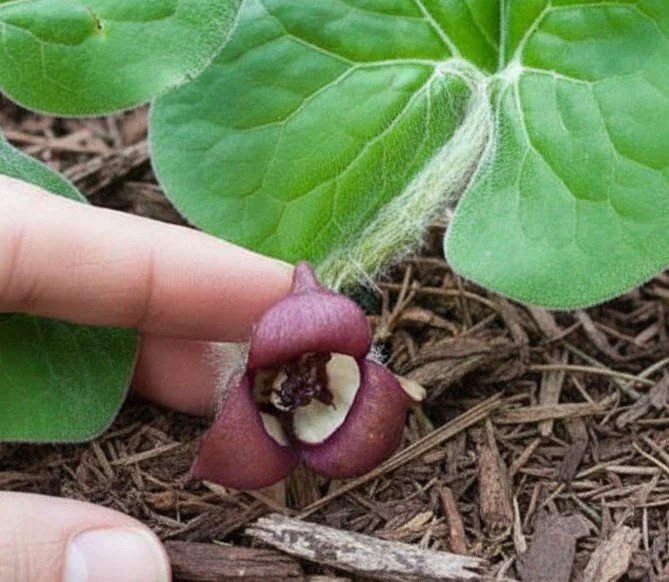 Image 2 of 2
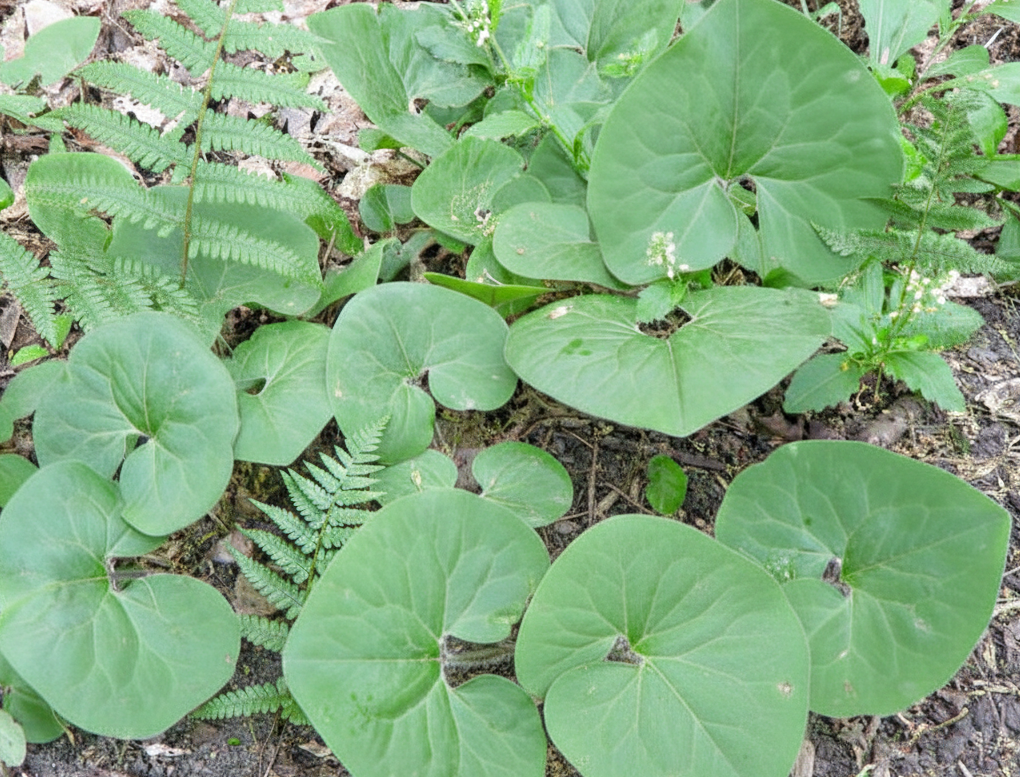
Wild Ginger is a low-growing native groundcover that is a "must-have" for any serious shade gardener. It is best known for its magnificent, heart-shaped leaves that have a soft texture and a rich, green finish. These large, lush leaves overlap to create a dense, weed-suppressing carpet that stays beautiful from early spring until the first hard frost. One of the most charming secrets of Wild Ginger is its flower. In early spring, look beneath the heavy foliage to find unique, jug-shaped, reddish-purple blooms tucked right against the soil. These "hidden" flowers are designed to be pollinated by ground-dwelling insects like beetles and ants.
Sun Exposure Part Shade to Full Shade
Water Needs Medium to High; thrives with consistent moisture
Soil Type Loam, Clay or Sand
Mature Height 6 to 10 inches
Deer Resistance High
Bloom Time April – June
Bloom Color Reddish -purple
Plant Spacing 6 to 12 inches
Black Walnut Tolerant
Texture: The heart-shaped leaves can be 6” in diameter. Leaves are shiny when open and the stems are hairy. It will keep its foliage throughout the season.
Superior Groundcover: Because it spreads via shallow rhizomes, it is excellent for stabilizing soil on shaded slopes or filling in the "floor" of a woodland garden.
Drought Tolerant Once Established: While it prefers moisture, it is surprisingly resilient in dry shade once its root system has taken hold.
Pipevine Swallowtail Host: This plant is an essential host for the beautiful Pipevine Swallowtail butterfly; its leaves provide the primary food source for their caterpillars.
Ground-Level Habitat: The dense, low canopy creates a cool, moist microclimate that is vital for spiders, beetles, and small amphibians.
Ant Dispersal: The seeds have a fatty attachment called an elaiosome, which encourages ants to carry them to new locations, helping the plant naturalize in your garden.
Wild Ginger is a low-growing native groundcover that is a "must-have" for any serious shade gardener. It is best known for its magnificent, heart-shaped leaves that have a soft texture and a rich, green finish. These large, lush leaves overlap to create a dense, weed-suppressing carpet that stays beautiful from early spring until the first hard frost. One of the most charming secrets of Wild Ginger is its flower. In early spring, look beneath the heavy foliage to find unique, jug-shaped, reddish-purple blooms tucked right against the soil. These "hidden" flowers are designed to be pollinated by ground-dwelling insects like beetles and ants.
Sun Exposure Part Shade to Full Shade
Water Needs Medium to High; thrives with consistent moisture
Soil Type Loam, Clay or Sand
Mature Height 6 to 10 inches
Deer Resistance High
Bloom Time April – June
Bloom Color Reddish -purple
Plant Spacing 6 to 12 inches
Black Walnut Tolerant
Texture: The heart-shaped leaves can be 6” in diameter. Leaves are shiny when open and the stems are hairy. It will keep its foliage throughout the season.
Superior Groundcover: Because it spreads via shallow rhizomes, it is excellent for stabilizing soil on shaded slopes or filling in the "floor" of a woodland garden.
Drought Tolerant Once Established: While it prefers moisture, it is surprisingly resilient in dry shade once its root system has taken hold.
Pipevine Swallowtail Host: This plant is an essential host for the beautiful Pipevine Swallowtail butterfly; its leaves provide the primary food source for their caterpillars.
Ground-Level Habitat: The dense, low canopy creates a cool, moist microclimate that is vital for spiders, beetles, and small amphibians.
Ant Dispersal: The seeds have a fatty attachment called an elaiosome, which encourages ants to carry them to new locations, helping the plant naturalize in your garden.