
 Image 1 of 1
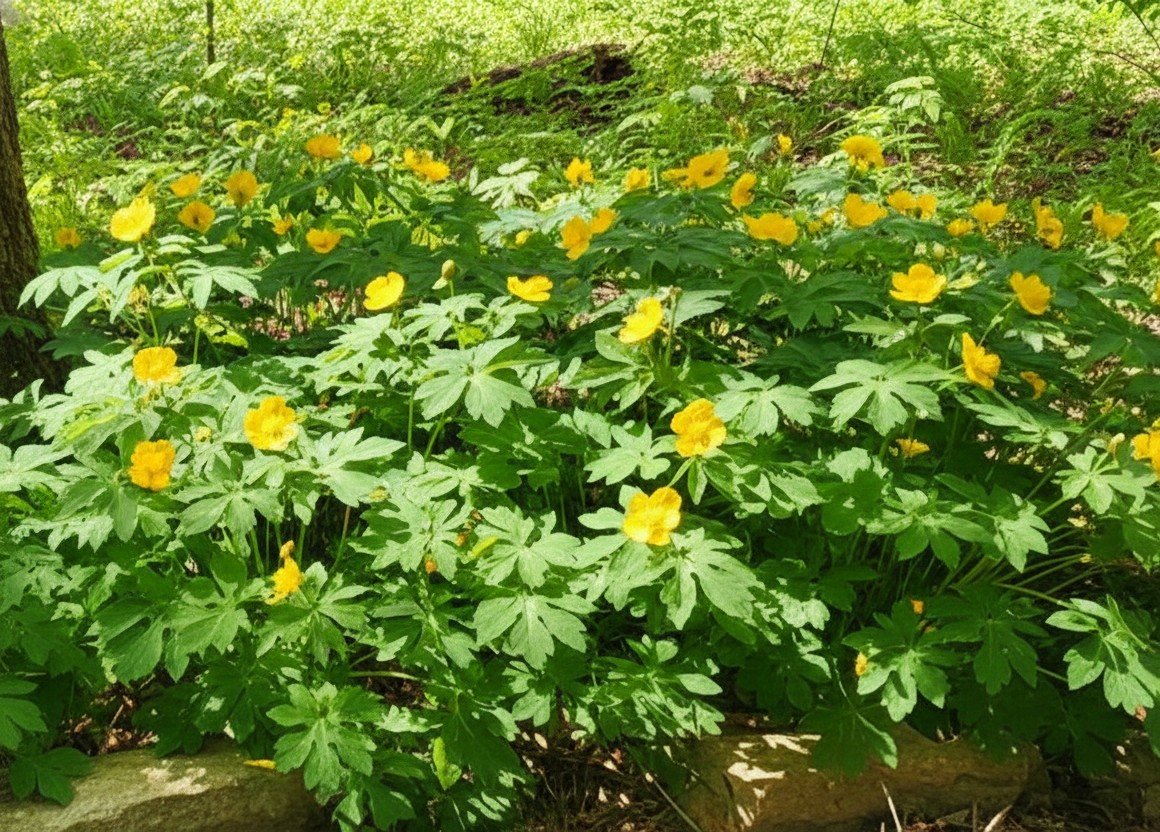
Often called the Celandine Poppy, the Wood Poppy is a beacon of brilliant color for the spring woodland garden. This native perennial is famous for its large, four-petaled flowers in a stunning shade of buttercup-yellow. A standout feature of this plant is its ornamental seed pods—puffy, nodding, and covered in soft hairs, they look like tiny hanging lanterns. It is an exceptionally easy-to-grow native that thrives in those tricky shaded spots where other plants might struggle, creating a cheerful, sun-drenched look even in the deepest shadows.
Sun Exposure Part Shade to Full Shade
Water Needs Medium to High; likes consistent moisture
Soil Type Rich, moist Loam
Mature Height 1 foot
Deer Resistance Moderate
Bloom Time April – May
Bloom Color Yellow
Plant Spacing 10 to 12 inches
Black Walnut Tolerant
Luminous Spring Blooms: Produces 2-inch wide, golden-yellow flowers that stand out against the dark greens of a shade garden.
Textured Groundcover: The bold, fern-like leaves create a mounding habit that fills in beautifully under the canopy of trees.
Self-Naturalizing: It is a prolific seeder in ideal conditions, making it perfect for gardeners who want to establish a sweeping "carpet" of gold over time.
Pollinator Support: The pollen-rich flowers are a magnet for native bees, including bumblebees and early-emerging mining bees.
Ant Partnership: Like Wild Ginger, Wood Poppy seeds have a fatty "treat" (elaiosome) that encourages ants to carry and plant them throughout your garden.
Mammal Food Source: While the foliage is generally avoided by deer and rabbits, the seeds are a valued snack for woodland mice and chipmunks.
Often called the Celandine Poppy, the Wood Poppy is a beacon of brilliant color for the spring woodland garden. This native perennial is famous for its large, four-petaled flowers in a stunning shade of buttercup-yellow. A standout feature of this plant is its ornamental seed pods—puffy, nodding, and covered in soft hairs, they look like tiny hanging lanterns. It is an exceptionally easy-to-grow native that thrives in those tricky shaded spots where other plants might struggle, creating a cheerful, sun-drenched look even in the deepest shadows.
Sun Exposure Part Shade to Full Shade
Water Needs Medium to High; likes consistent moisture
Soil Type Rich, moist Loam
Mature Height 1 foot
Deer Resistance Moderate
Bloom Time April – May
Bloom Color Yellow
Plant Spacing 10 to 12 inches
Black Walnut Tolerant
Luminous Spring Blooms: Produces 2-inch wide, golden-yellow flowers that stand out against the dark greens of a shade garden.
Textured Groundcover: The bold, fern-like leaves create a mounding habit that fills in beautifully under the canopy of trees.
Self-Naturalizing: It is a prolific seeder in ideal conditions, making it perfect for gardeners who want to establish a sweeping "carpet" of gold over time.
Pollinator Support: The pollen-rich flowers are a magnet for native bees, including bumblebees and early-emerging mining bees.
Ant Partnership: Like Wild Ginger, Wood Poppy seeds have a fatty "treat" (elaiosome) that encourages ants to carry and plant them throughout your garden.
Mammal Food Source: While the foliage is generally avoided by deer and rabbits, the seeds are a valued snack for woodland mice and chipmunks.