
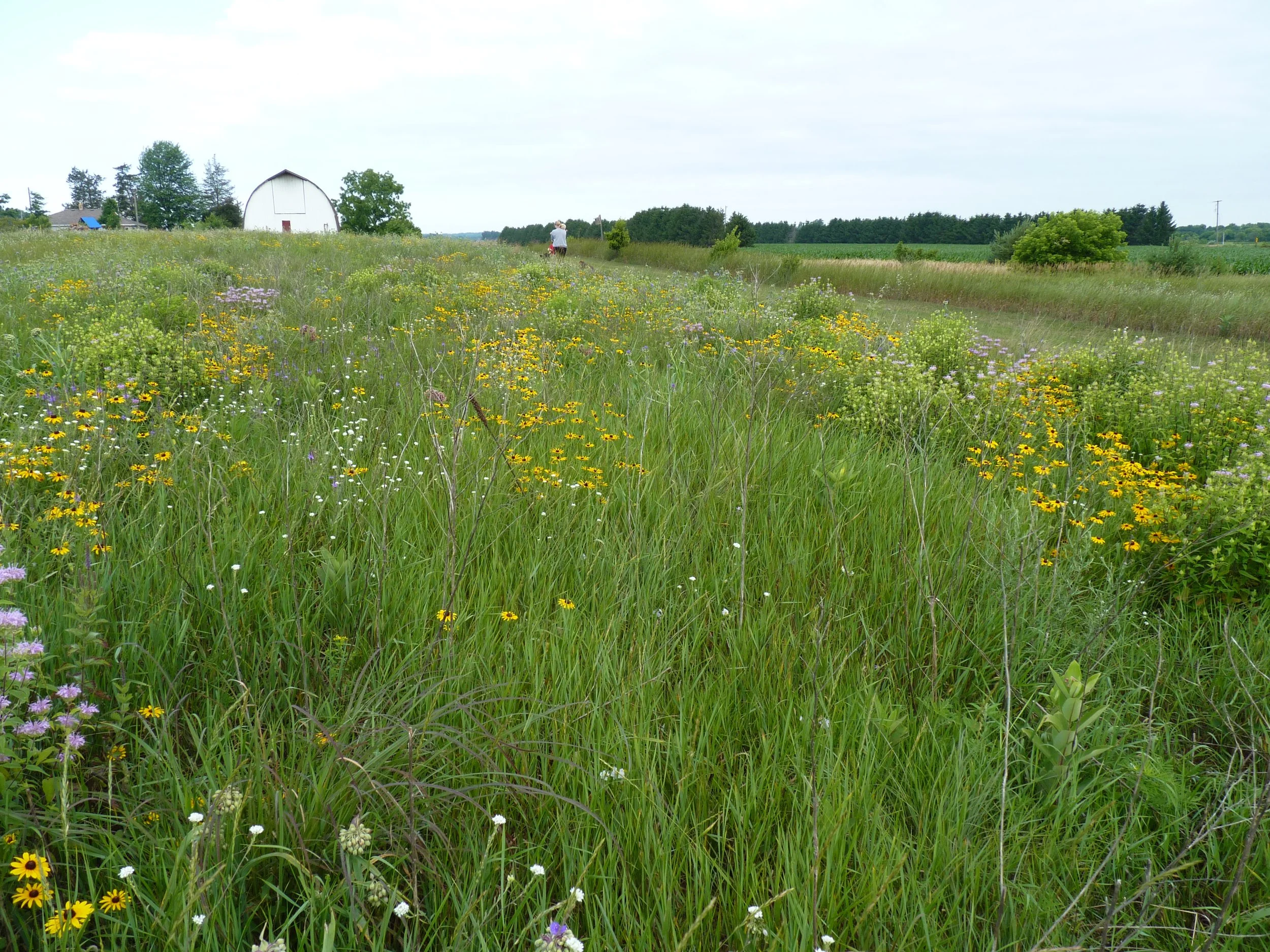
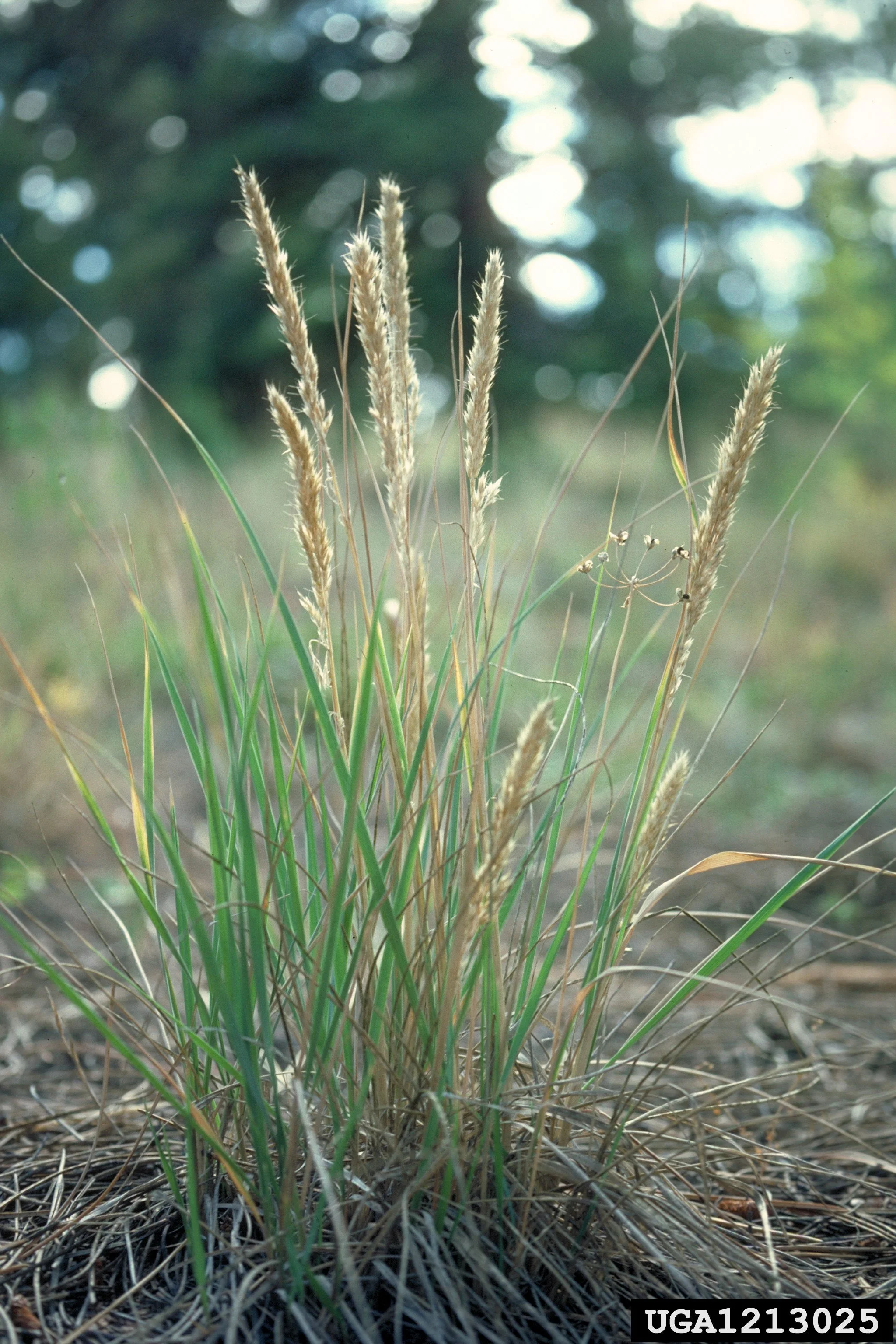
This compact cool-season bunchgrass is one of the earliest to bloom, and thrives in tough, dry spots making it ideal for structured garden borders or rock gardens.
Sun Exposure Full Sun
Water Needs Low (Drought Tolerant after established, thrives in dry soil)
Soil Type Loam, Sand, Gravelly, or Well-drained Poor Soils
Mature Height 2 feet
Deer Resistance High
Bloom Time June – July
Plant Spacing 10 – 12 inches
Early Season Interest: While many native grasses don't peak until autumn, June Grass reaches its full glory in early summer. It produces dense, plumes of silvery-green seed heads that transition to tan by mid summer. Foliage is an attractive green-gray.
Compact & Tidy: Reaching only about 1 to 2 feet in height, it is an excellent "front-of-the-border" plant. It stays in a neat, upright clump and does not flop, making it perfect for smaller suburban landscapes.
Drought Powerhouse: This is one of the most drought-tolerant native grasses available. Once established, it requires almost no supplemental watering, even in the heat of mid-summer.
Pollinator Support: It serves as a larval host plant for several species of Skipper butterflies.
Songbird Food: The small, dense seeds are a valuable food source for finches, sparrows and other small songbirds in the late spring-summer months.
Pro Tip: For visual impact, plant June Grass in "drifts" or groups of 3–5. The silver-green tint of the blades creates a beautiful contrast when paired with dark-leafed plants or vibrant wildflowers like Coneflowers and Black-eyed Susans.
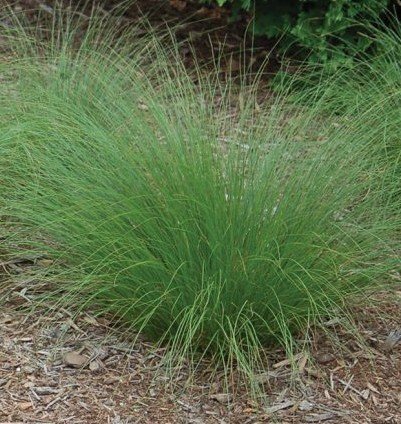
Widely considered the most beautiful of all native short grasses, it is prized for its fine, hair-like texture and its incredibly tidy, fountain-like habit.
Sun Exposure Full Sun to Part Shade
Water Needs Low to Medium (Drought Tolerant after established)
Soil Type Adaptable; thrives in hot, well-drained Loam, Sand, or Clay
Mature Height 2 feet
Deer Resistance High
Bloom Time August – October
Plant Spacing 2 – 3 feet
Prairie Dropseed is the "slow and steady" winner of the garden, forming a perfect, emerald-green mound that looks intentional and groomed without any pruning.
Unique Fragrance: In late summer, the airy flower panicles emerge, carrying a distinct and pleasant scent that many describe assmelling of cilantro or coriander.
Fountain Shape: The exceptionally fine foliage arches gracefully downward, creating a soft, rounded mound.
Color: As the temperatures drop, the green leaves shift into a honey yellow, which eventually fades to a tan that persists through the winter.
Tough as Nails: Despite its delicate appearance, this grass is incredibly long-lived and rugged. It is remarkably drought-tolerant once established and excels in sunny, hot, dry conditions.
Seed source: As the name "Dropseed" suggests, the plant produces small, nutritious seeds that "drop" to the ground in fall, providing a critical late-season food for seed eating birds.
Butterfly Host: It is a larval host for several species of Skipper butterflies.
Essential Cover: Because it grows in dense, permanent mounds, it provides perfect nesting sites for native bees and protective winter cover for small beneficial insects.
Pro-Tip: Prairie Dropseed is a slow grower, often taking 3 years to reach its full size, but it is well worth the wait. Also, because of its dense, mounding habit and long lifespan (often living for decades), it can be used as weed-suppressing groundcover.
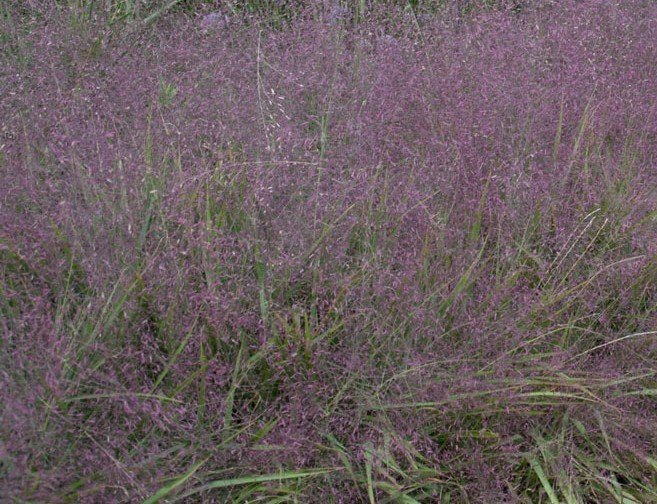
This low-growing native grass is a true showstopper when it reaches peak bloom. It’s seed heads bloom in mid-summer producing a haze of light to bright purple flowers that hover over the foliage like a fine, colorful mist.
Purple Love Grass is the perfect solution for those "difficult" sunny spots. It thrives in lean, sandy, or rocky soils where other plants might struggle, making it an excellent choice for rock gardens, sandy coastal slopes, or as a groundcover along a driveway.
Sun Exposure Full Sun (preferred) to Partial Shade
Water Needs Low; very drought-tolerant once established.
Soil Type Sand, gravelly, or well-drained poor soils
Mature Height 1 – 2 feet
Deer Resistance High
Bloom Time July - August
Plant Spacing 1 - 2 feet
Low Profile, High Impact: It stays short and tidy for most of the year, then explodes into a haze of color just as other plants are starting to fade.
Black Walnut and salt tolerant: One of the few ornamental grasses that can handle road salt, making it more ideal for planting near sidewalks and streets.
Late-Season Nectar: The delicate flowers provide a food source for small native bees and beneficial insects during the heat of late summer.
Butterfly Host: This grass serves as a vital larval host for the Zabulon Skipper.
Pro Tip: For the most dramatic effect, plant Purple Love Grass in large drifts.
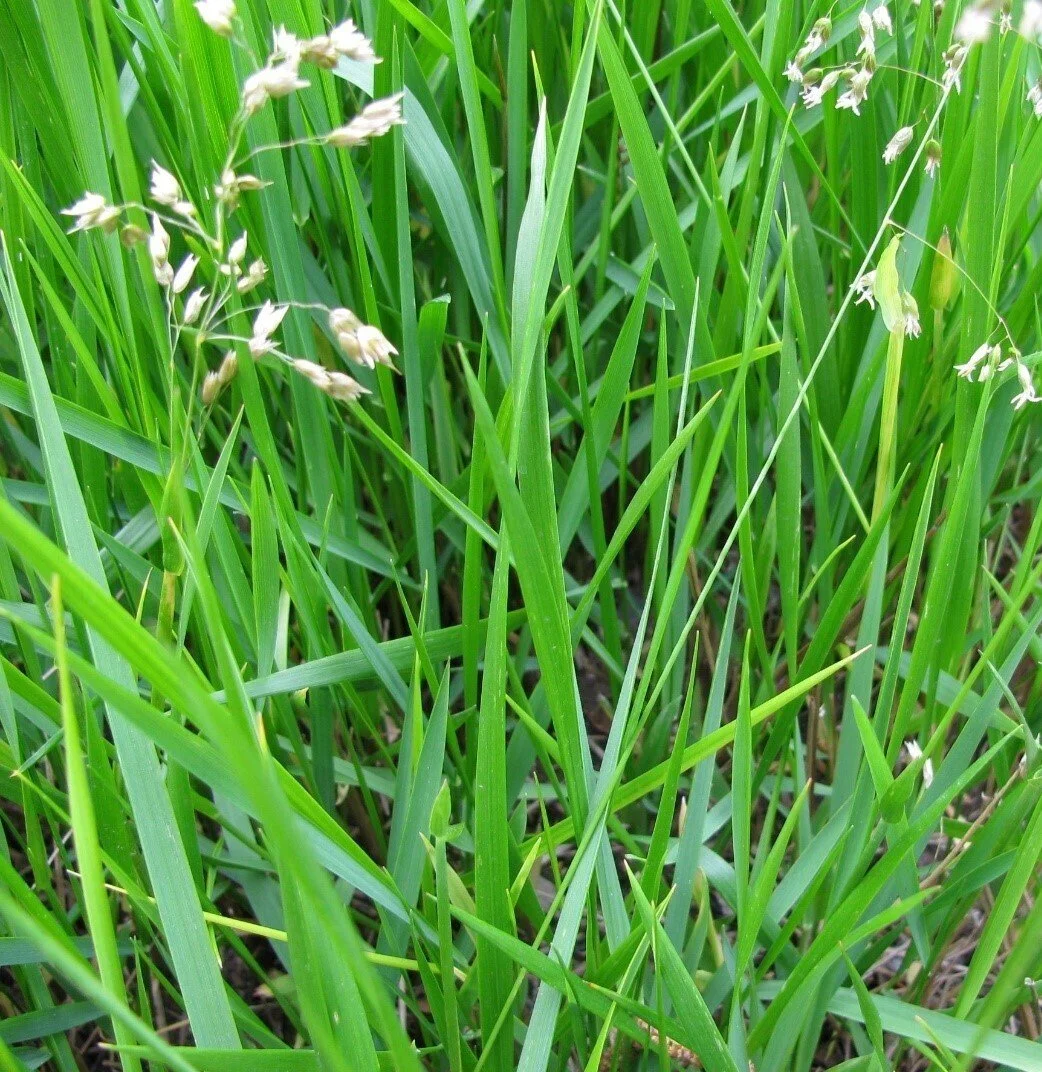
A plant steeped in history and cherished for its scent, Sweet Grass is one of the most beloved native grasses in North America. Its name comes from the sweet, vanilla-like fragrance produced by the coumarin in its leaves, which becomes especially potent when the grass is dried or crushed. Many North American indigenous cultures burn Sweet Grass in ceremonies to invite the presence of good spirits.
Sun Exposure Full Sun to Partial Shade
Water Needs High; prefers consistently moist to wet soil.
Soil Type rich Muck, moist Clay, Loam or Sandy soils; thrives near water sources.
Mature Height 1 – 2 feet
Deer Resistance High
Bloom Time May – July
Plant Spacing 1 – 2 feet (Spreads to fill gaps).
Signature Scent: Unlike most grasses, Sweet Grass produces a sweet aroma when rubbing the leaves.
Wet Ground Solution: It is a perfect choice for the edges of ponds, low-lying areas of the yard, or rain gardens.
Aggressive spreader: Can be difficult to eliminate if it spreads to unwanted areas. Spreads by rhizomes. Pick a planting site with this in mind.
Early Season Growth: As a cool-season grass, it provides early green-up and cover for wildlife emerging in the spring.
Habitat: While wind-pollinated, the dense mats provide essential shelter for ground-nesting beneficial insects.
Pro Tip: To harvest for scent, wait until the blades are long and vibrant in mid-summer. Cut the grass, let it wilt slightly, and then braid it while it is still flexible. As it dries, the braid will hold its sweet, vanilla-like fragrance for months!
No results match your search. Try removing a few filters.