
 Image 1 of 1
This compact cool-season bunchgrass is one of the earliest to bloom, and thrives in tough, dry spots making it ideal for structured garden borders or rock gardens.
Sun Exposure Full Sun
Water Needs Low (Drought Tolerant after established, thrives in dry soil)
Soil Type Loam, Sand, Gravelly, or Well-drained Poor Soils
Mature Height 2 feet
Deer Resistance High
Bloom Time June – July
Plant Spacing 10 – 12 inches
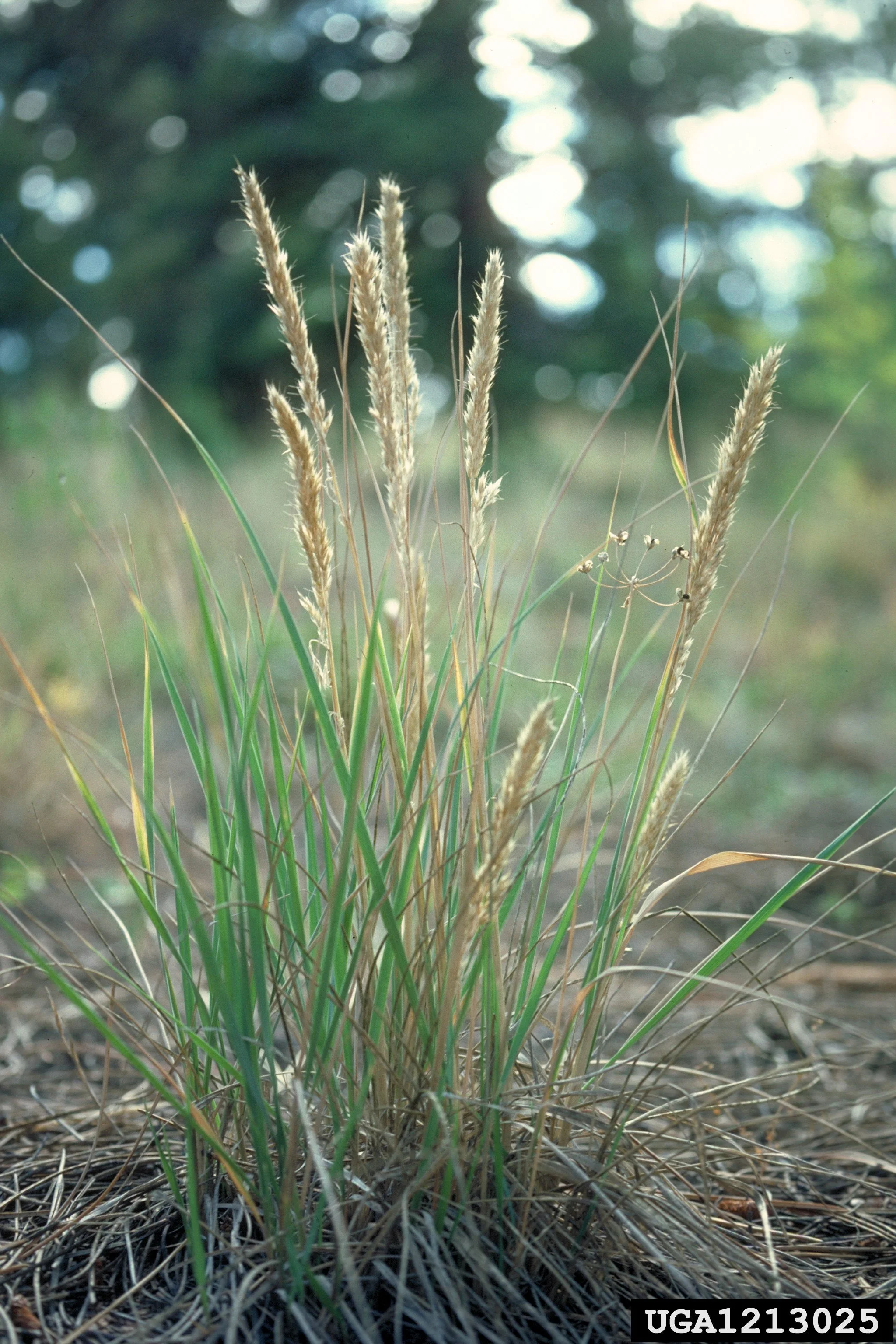
Early Season Interest: While many native grasses don't peak until autumn, June Grass reaches its full glory in early summer. It produces dense, plumes of silvery-green seed heads that transition to tan by mid summer. Foliage is an attractive green-gray.
Compact & Tidy: Reaching only about 1 to 2 feet in height, it is an excellent "front-of-the-border" plant. It stays in a neat, upright clump and does not flop, making it perfect for smaller suburban landscapes.
Drought Powerhouse: This is one of the most drought-tolerant native grasses available. Once established, it requires almost no supplemental watering, even in the heat of mid-summer.
Pollinator Support: It serves as a larval host plant for several species of Skipper butterflies.
Songbird Food: The small, dense seeds are a valuable food source for finches, sparrows and other small songbirds in the late spring-summer months.
Pro Tip: For visual impact, plant June Grass in "drifts" or groups of 3–5. The silver-green tint of the blades creates a beautiful contrast when paired with dark-leafed plants or vibrant wildflowers like Coneflowers and Black-eyed Susans.
This compact cool-season bunchgrass is one of the earliest to bloom, and thrives in tough, dry spots making it ideal for structured garden borders or rock gardens.
Sun Exposure Full Sun
Water Needs Low (Drought Tolerant after established, thrives in dry soil)
Soil Type Loam, Sand, Gravelly, or Well-drained Poor Soils
Mature Height 2 feet
Deer Resistance High
Bloom Time June – July
Plant Spacing 10 – 12 inches
Early Season Interest: While many native grasses don't peak until autumn, June Grass reaches its full glory in early summer. It produces dense, plumes of silvery-green seed heads that transition to tan by mid summer. Foliage is an attractive green-gray.
Compact & Tidy: Reaching only about 1 to 2 feet in height, it is an excellent "front-of-the-border" plant. It stays in a neat, upright clump and does not flop, making it perfect for smaller suburban landscapes.
Drought Powerhouse: This is one of the most drought-tolerant native grasses available. Once established, it requires almost no supplemental watering, even in the heat of mid-summer.
Pollinator Support: It serves as a larval host plant for several species of Skipper butterflies.
Songbird Food: The small, dense seeds are a valuable food source for finches, sparrows and other small songbirds in the late spring-summer months.
Pro Tip: For visual impact, plant June Grass in "drifts" or groups of 3–5. The silver-green tint of the blades creates a beautiful contrast when paired with dark-leafed plants or vibrant wildflowers like Coneflowers and Black-eyed Susans.