
 Image 1 of 1
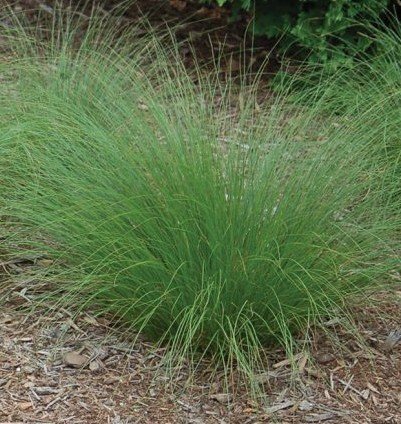
Widely considered the most beautiful of all native short grasses, it is prized for its fine, hair-like texture and its incredibly tidy, fountain-like habit.
Sun Exposure Full Sun to Part Shade
Water Needs Low to Medium (Drought Tolerant after established)
Soil Type Adaptable; thrives in hot, well-drained Loam, Sand, or Clay
Mature Height 2 feet
Deer Resistance High
Bloom Time August – October
Plant Spacing 2 – 3 feet
Prairie Dropseed is the "slow and steady" winner of the garden, forming a perfect, emerald-green mound that looks intentional and groomed without any pruning.
Unique Fragrance: In late summer, the airy flower panicles emerge, carrying a distinct and pleasant scent that many describe assmelling of cilantro or coriander.
Fountain Shape: The exceptionally fine foliage arches gracefully downward, creating a soft, rounded mound.
Color: As the temperatures drop, the green leaves shift into a honey yellow, which eventually fades to a tan that persists through the winter.
Tough as Nails: Despite its delicate appearance, this grass is incredibly long-lived and rugged. It is remarkably drought-tolerant once established and excels in sunny, hot, dry conditions.
Seed source: As the name "Dropseed" suggests, the plant produces small, nutritious seeds that "drop" to the ground in fall, providing a critical late-season food for seed eating birds.
Butterfly Host: It is a larval host for several species of Skipper butterflies.
Essential Cover: Because it grows in dense, permanent mounds, it provides perfect nesting sites for native bees and protective winter cover for small beneficial insects.
Pro-Tip: Prairie Dropseed is a slow grower, often taking 3 years to reach its full size, but it is well worth the wait. Also, because of its dense, mounding habit and long lifespan (often living for decades), it can be used as weed-suppressing groundcover.
Widely considered the most beautiful of all native short grasses, it is prized for its fine, hair-like texture and its incredibly tidy, fountain-like habit.
Sun Exposure Full Sun to Part Shade
Water Needs Low to Medium (Drought Tolerant after established)
Soil Type Adaptable; thrives in hot, well-drained Loam, Sand, or Clay
Mature Height 2 feet
Deer Resistance High
Bloom Time August – October
Plant Spacing 2 – 3 feet
Prairie Dropseed is the "slow and steady" winner of the garden, forming a perfect, emerald-green mound that looks intentional and groomed without any pruning.
Unique Fragrance: In late summer, the airy flower panicles emerge, carrying a distinct and pleasant scent that many describe assmelling of cilantro or coriander.
Fountain Shape: The exceptionally fine foliage arches gracefully downward, creating a soft, rounded mound.
Color: As the temperatures drop, the green leaves shift into a honey yellow, which eventually fades to a tan that persists through the winter.
Tough as Nails: Despite its delicate appearance, this grass is incredibly long-lived and rugged. It is remarkably drought-tolerant once established and excels in sunny, hot, dry conditions.
Seed source: As the name "Dropseed" suggests, the plant produces small, nutritious seeds that "drop" to the ground in fall, providing a critical late-season food for seed eating birds.
Butterfly Host: It is a larval host for several species of Skipper butterflies.
Essential Cover: Because it grows in dense, permanent mounds, it provides perfect nesting sites for native bees and protective winter cover for small beneficial insects.
Pro-Tip: Prairie Dropseed is a slow grower, often taking 3 years to reach its full size, but it is well worth the wait. Also, because of its dense, mounding habit and long lifespan (often living for decades), it can be used as weed-suppressing groundcover.