
 Image 1 of 2
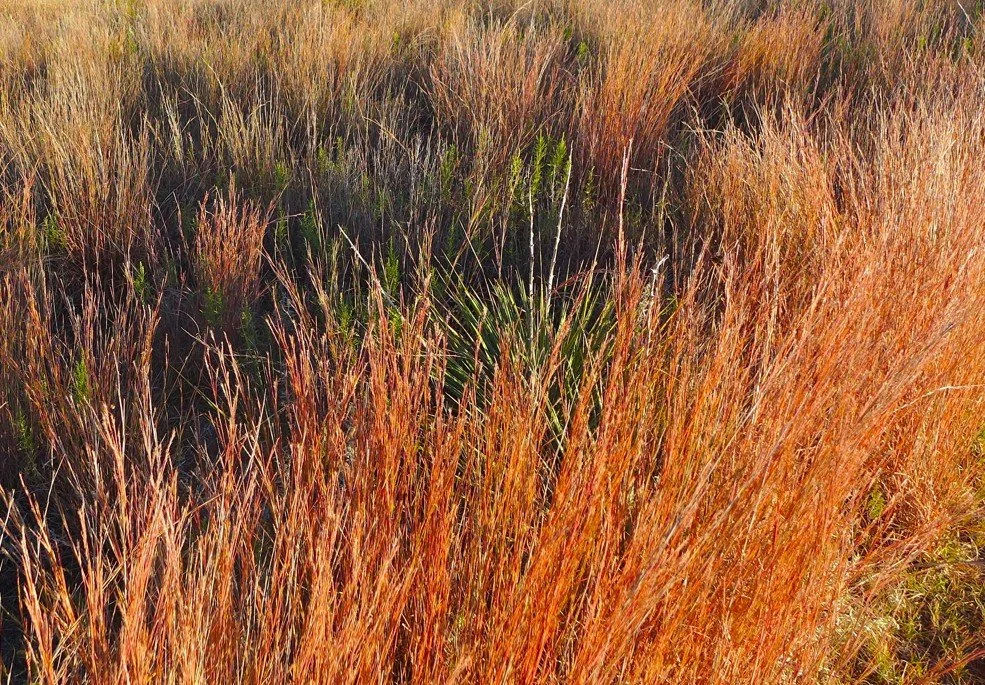 Image 2 of 2
This iconic North American native is commonly used in both restoration and landscaping projects and is very drought tolerant but can do will in moist settings too.
Sun Exposure Full Sun to Part Shade
Water Needs Low (Drought Tolerant after established)
Soil Type Well-drained; thrives in Sand, Loam, or Clay
Mature Height 2 to 3 feet
Deer Resistance High
Bloom Time July – October
Plant Spacing 2 – 3 feet
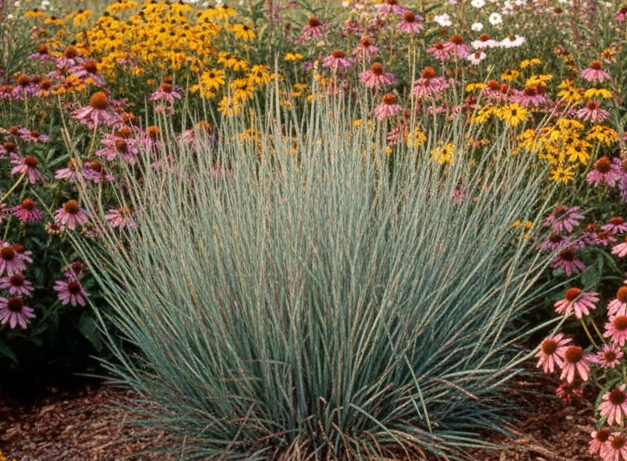
Color: In the spring and summer, the slender blades emerge in shades of blue-green. After the first frost, the entire plant transforms into shades of brown, copper, and deep crimson that will remain all winter.
Winter Interest: The stems are famously sturdy and remain upright even under the weight of light snow. In winter, the seed heads turn into fluffy, white tufts.
Compact "Columnar" Habit: Little Bluestem grows in neat, vertical clumps. Its upright nature makes it a perfect choice for formal borders, or as an accent in your landscape.
Extreme Hardiness: This grass thrives in poor soils, intense heat, and periods of significant drought once its deep root system is established.
Butterfly Larval Host: It is the primary host plant for several species of Skipper butterflies, providing essential food for their caterpillars.
Insects: Insects that feed on Little Bluestem include grasshoppers, leafhoppers, Prairie Walking Sticks, beetles and spittlebugs.
Winter Food Source: The high-protein seeds are a critical food resource for small songbirds throughout the winter.
Protective Cover: The dense, bunch-forming base of the plant provides vital nesting sites for queen bumble bees and shelter for ground-dwelling wildlife.
Pro-Tip: Resist the urge to cut it back in the fall! Leaving the stalks standing until early spring not only provides critical habitat for overwintering pollinators but also ensures you get to enjoy that stunning coppery-red color against the winter snow.
This iconic North American native is commonly used in both restoration and landscaping projects and is very drought tolerant but can do will in moist settings too.
Sun Exposure Full Sun to Part Shade
Water Needs Low (Drought Tolerant after established)
Soil Type Well-drained; thrives in Sand, Loam, or Clay
Mature Height 2 to 3 feet
Deer Resistance High
Bloom Time July – October
Plant Spacing 2 – 3 feet
Color: In the spring and summer, the slender blades emerge in shades of blue-green. After the first frost, the entire plant transforms into shades of brown, copper, and deep crimson that will remain all winter.
Winter Interest: The stems are famously sturdy and remain upright even under the weight of light snow. In winter, the seed heads turn into fluffy, white tufts.
Compact "Columnar" Habit: Little Bluestem grows in neat, vertical clumps. Its upright nature makes it a perfect choice for formal borders, or as an accent in your landscape.
Extreme Hardiness: This grass thrives in poor soils, intense heat, and periods of significant drought once its deep root system is established.
Butterfly Larval Host: It is the primary host plant for several species of Skipper butterflies, providing essential food for their caterpillars.
Insects: Insects that feed on Little Bluestem include grasshoppers, leafhoppers, Prairie Walking Sticks, beetles and spittlebugs.
Winter Food Source: The high-protein seeds are a critical food resource for small songbirds throughout the winter.
Protective Cover: The dense, bunch-forming base of the plant provides vital nesting sites for queen bumble bees and shelter for ground-dwelling wildlife.
Pro-Tip: Resist the urge to cut it back in the fall! Leaving the stalks standing until early spring not only provides critical habitat for overwintering pollinators but also ensures you get to enjoy that stunning coppery-red color against the winter snow.