
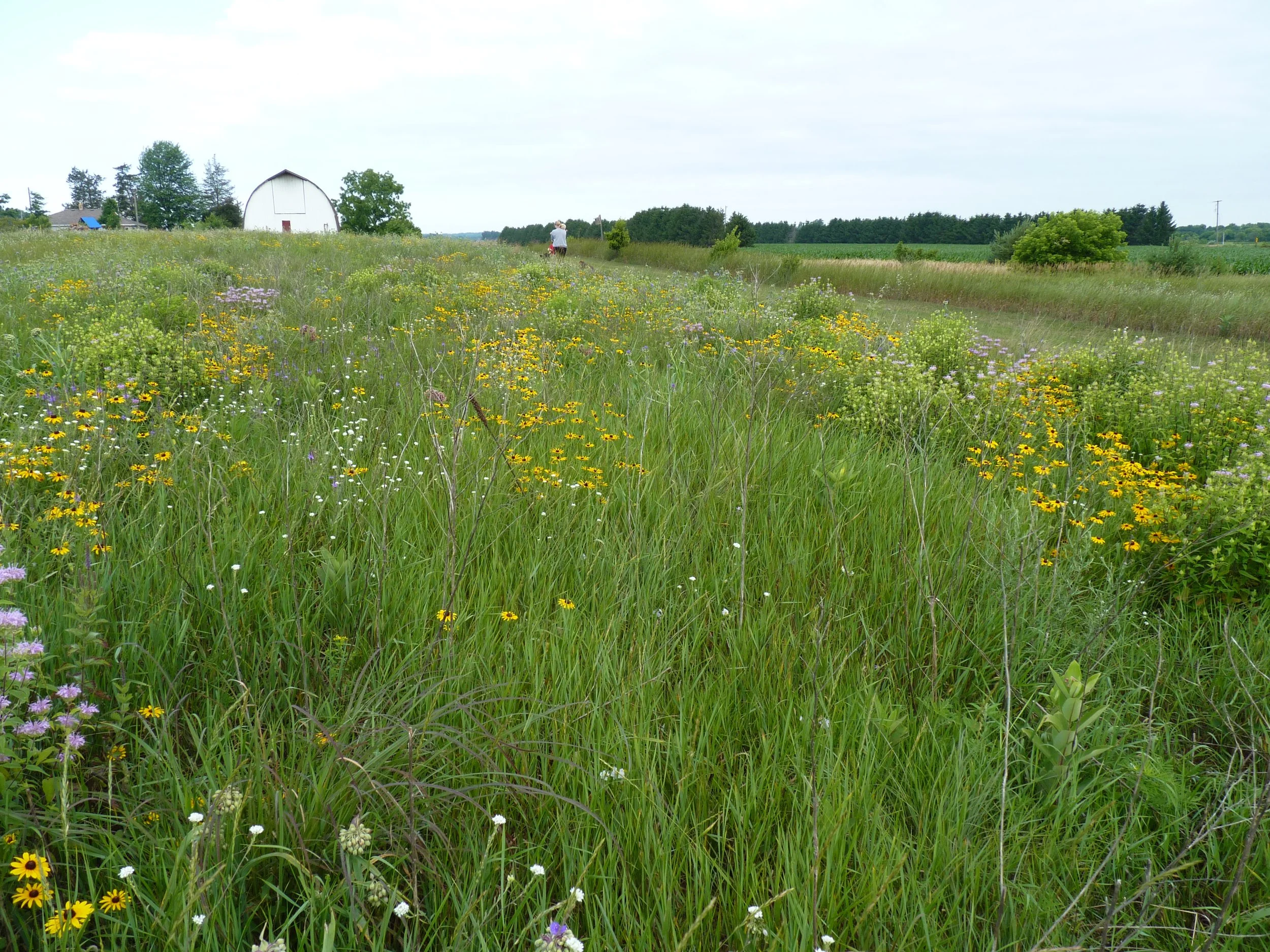
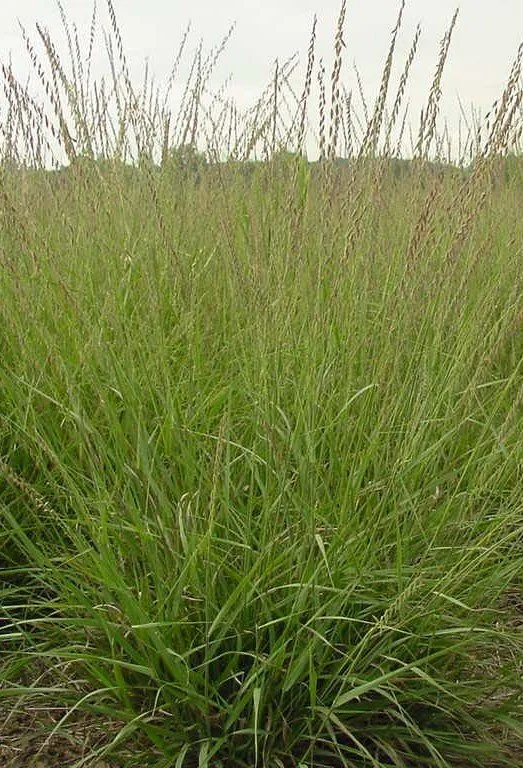
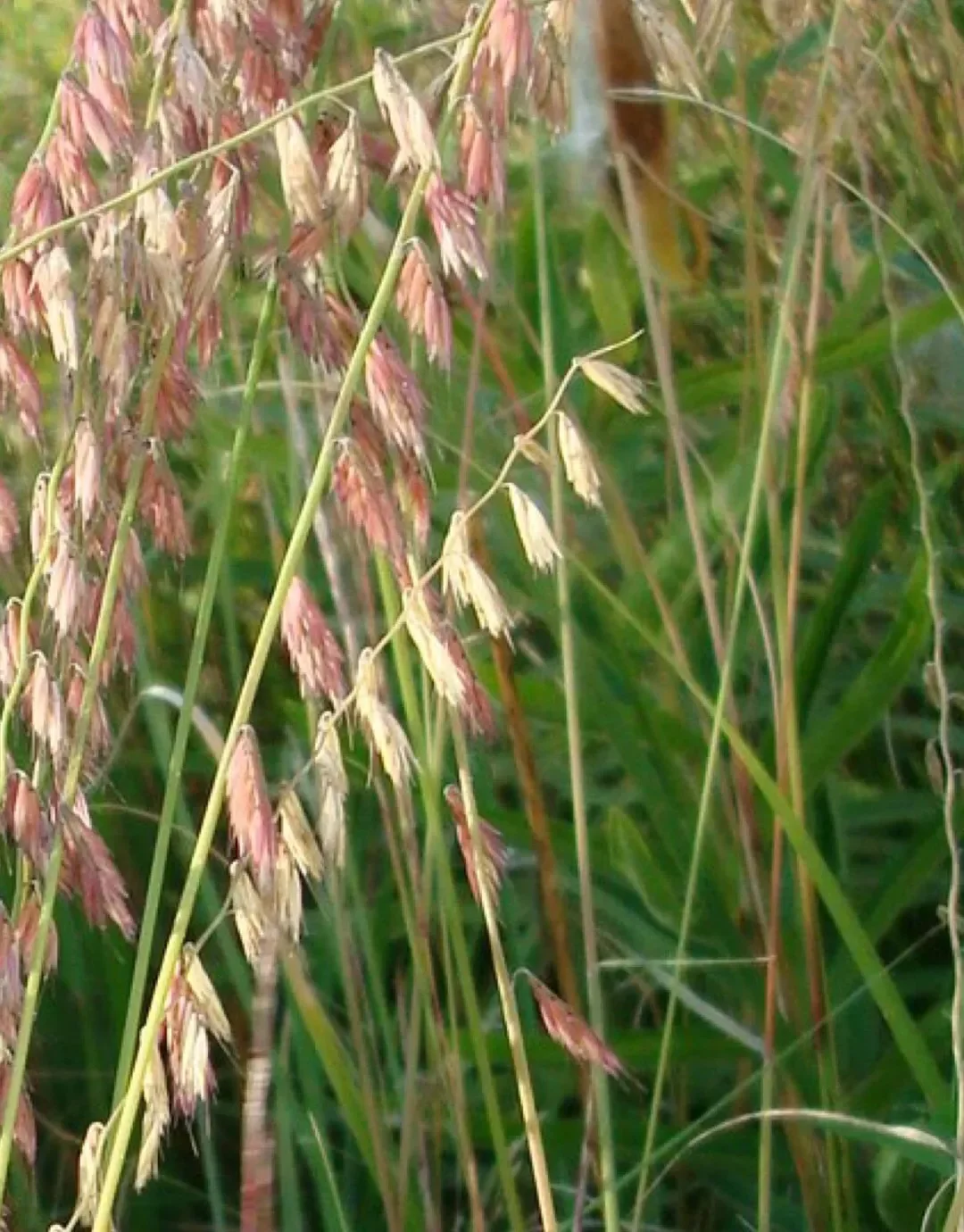
This mid-sized, warm-season grass is easily recognized by its unique and charming seed heads, which hang neatly from just one side of the stem.
Sun Exposure Full Sun to Part Shade
Water Needs Low (Very Drought Tolerant)
Soil Type Adaptable; thrives in Sand, Loam, medium Clay or gravely soil
Mature Height 2 feet
Deer Resistance High
Bloom Time August – September
Plant Spacing 10 – 24 inches
Side-Oats Grama is the perfect "neighbor-friendly" native—it stays at a manageable height and doesn't get aggressive.
Unique "One-Sided" Blooms: In mid-summer, the plant produces tall stalks adorned with tiny, oat-like seeds that all hang from one side. In bloom, these seeds feature tiny, bright red-to-purple anthers that give the plant a subtle color. This plant holds it shape well into the winter months. The foliage turns from green-blue foliage to shades of gold.
Compact and Versatile: Reaching only 2 feet in height, it is an ideal choice for the middle of a garden border. It won't tower over your wildflowers but provides enough structure to keep the garden looking organized.
Extremely Adaptable: It is highly drought-tolerant and can thrive in almost any soil condition, from dry sand to heavy clay.
It is a vital larval host plant for at least 5 species of Skipper butterflies, including the Dotted Skipper and the Leonard’s Skipper.
The seeds are a favorite food source for various songbirds that forage on the ground.
Pro-Tip: Side-oats Grama’s clumping tendency and moderate height pair well with shorter wildflowers like Prairie Smoke or Purple Coneflower.
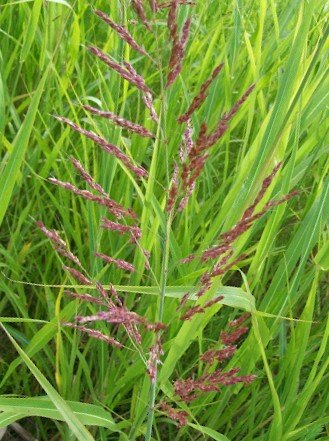
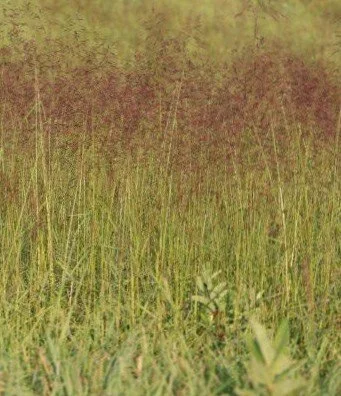
A tall, graceful native perennial, this grass is prized for its shimmering, airy plumes that emerge in late summer. The flower heads are a deep, reddish-purple and possess a unique, slightly oily texture that catches the light, earning it the nickname "Greasy Grass." Purpletop is a bunch-forming grass that is exceptionally adaptable, making it a perfect choice for naturalized meadows, woodland edges, or as a textured backdrop in a sunny perennial bed.
Sun Exposure Full Sun to Partial Shade
Water Needs Low to Moderate; very drought-tolerant once settled.
Soil Type Adaptable; thrives in poor, rocky, or sandy soils.
Mature Height 4 – 5 feet
Deer Resistance Moderate
Bloom Time August – October
Plant Spacing 18 – 24 inches
Color: When planted in groups, it puts a stunning reddish-purple top onto meadows and fields from late summer to early fall.
Tough as Nails: Highly resistant to heat, humidity, and performs exceptionally well in "lean" soil where other plants fail. It is tolerant of road salt so can frequently be found in ditches.
Butterfly Host: It serves as a vital larval host for several species of butterflies, including the Crossline Skipper, Common Wood Nymph, and the Little Glassywing.
Winter Forage: The seeds are highly nutritious and are a favorite for songbirds and upland game birds during the colder months.
Pro Tip: For the best visual impact, plant Purpletop Grass in sweeping drifts where its purple "haze" can be appreciated from a distance.
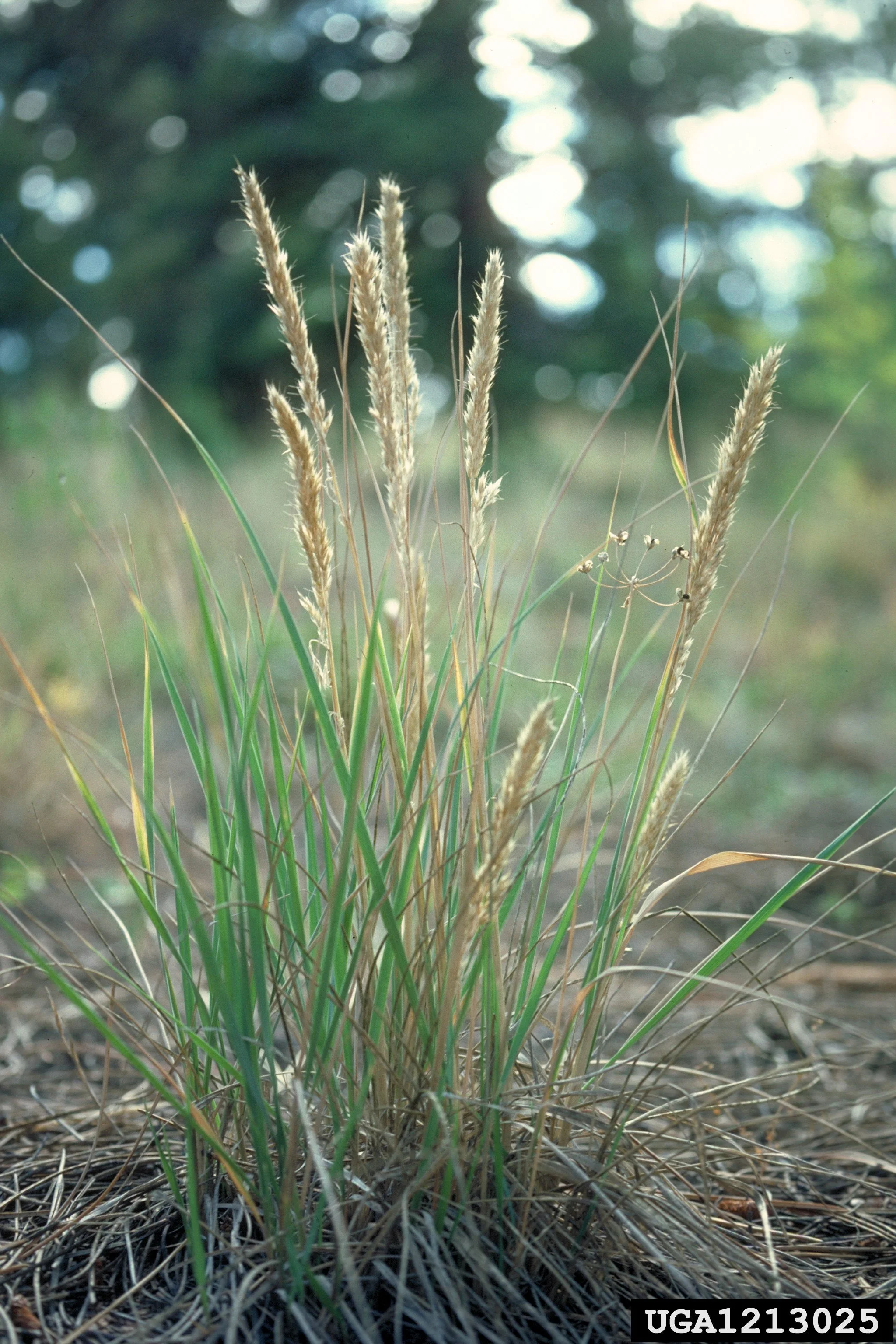
This compact cool-season bunchgrass is one of the earliest to bloom, and thrives in tough, dry spots making it ideal for structured garden borders or rock gardens.
Sun Exposure Full Sun
Water Needs Low (Drought Tolerant after established, thrives in dry soil)
Soil Type Loam, Sand, Gravelly, or Well-drained Poor Soils
Mature Height 2 feet
Deer Resistance High
Bloom Time June – July
Plant Spacing 10 – 12 inches
Early Season Interest: While many native grasses don't peak until autumn, June Grass reaches its full glory in early summer. It produces dense, plumes of silvery-green seed heads that transition to tan by mid summer. Foliage is an attractive green-gray.
Compact & Tidy: Reaching only about 1 to 2 feet in height, it is an excellent "front-of-the-border" plant. It stays in a neat, upright clump and does not flop, making it perfect for smaller suburban landscapes.
Drought Powerhouse: This is one of the most drought-tolerant native grasses available. Once established, it requires almost no supplemental watering, even in the heat of mid-summer.
Pollinator Support: It serves as a larval host plant for several species of Skipper butterflies.
Songbird Food: The small, dense seeds are a valuable food source for finches, sparrows and other small songbirds in the late spring-summer months.
Pro Tip: For visual impact, plant June Grass in "drifts" or groups of 3–5. The silver-green tint of the blades creates a beautiful contrast when paired with dark-leafed plants or vibrant wildflowers like Coneflowers and Black-eyed Susans.
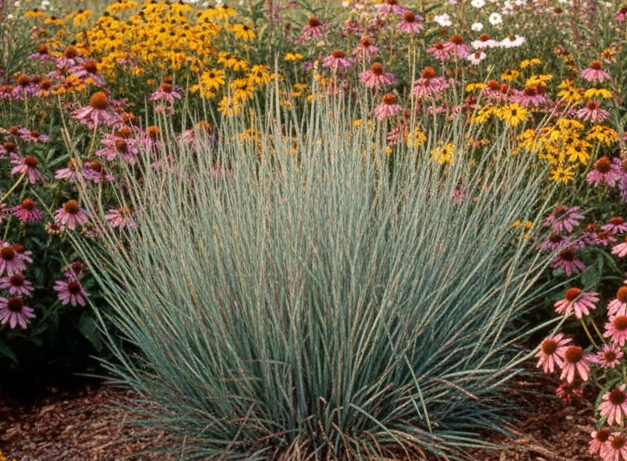
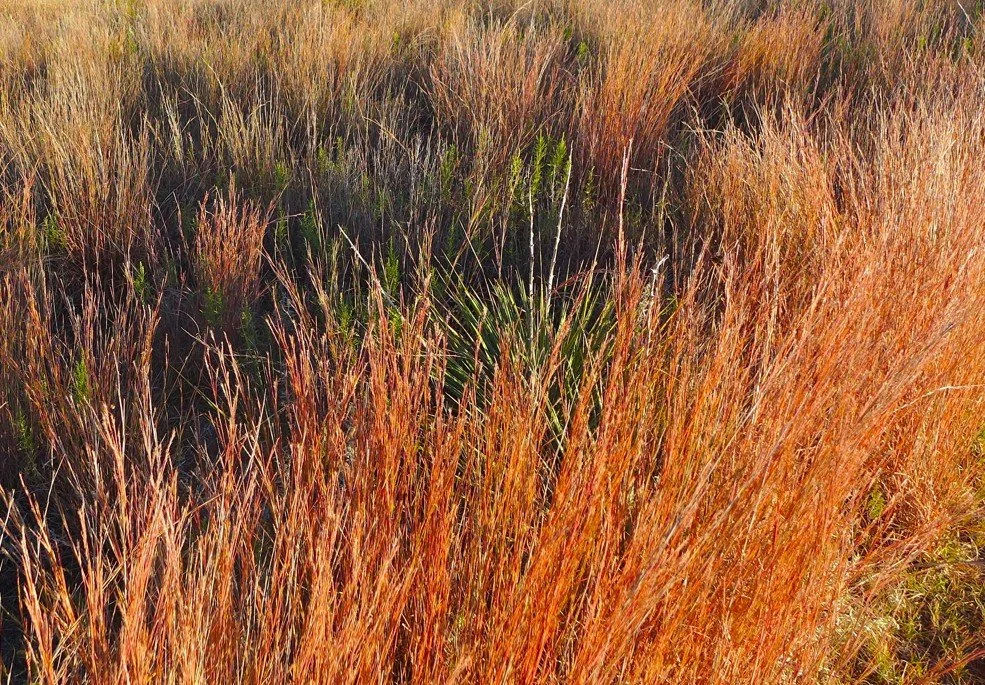
This iconic North American native is commonly used in both restoration and landscaping projects and is very drought tolerant but can do will in moist settings too.
Sun Exposure Full Sun to Part Shade
Water Needs Low (Drought Tolerant after established)
Soil Type Well-drained; thrives in Sand, Loam, or Clay
Mature Height 2 to 3 feet
Deer Resistance High
Bloom Time July – October
Plant Spacing 2 – 3 feet
Color: In the spring and summer, the slender blades emerge in shades of blue-green. After the first frost, the entire plant transforms into shades of brown, copper, and deep crimson that will remain all winter.
Winter Interest: The stems are famously sturdy and remain upright even under the weight of light snow. In winter, the seed heads turn into fluffy, white tufts.
Compact "Columnar" Habit: Little Bluestem grows in neat, vertical clumps. Its upright nature makes it a perfect choice for formal borders, or as an accent in your landscape.
Extreme Hardiness: This grass thrives in poor soils, intense heat, and periods of significant drought once its deep root system is established.
Butterfly Larval Host: It is the primary host plant for several species of Skipper butterflies, providing essential food for their caterpillars.
Insects: Insects that feed on Little Bluestem include grasshoppers, leafhoppers, Prairie Walking Sticks, beetles and spittlebugs.
Winter Food Source: The high-protein seeds are a critical food resource for small songbirds throughout the winter.
Protective Cover: The dense, bunch-forming base of the plant provides vital nesting sites for queen bumble bees and shelter for ground-dwelling wildlife.
Pro-Tip: Resist the urge to cut it back in the fall! Leaving the stalks standing until early spring not only provides critical habitat for overwintering pollinators but also ensures you get to enjoy that stunning coppery-red color against the winter snow.
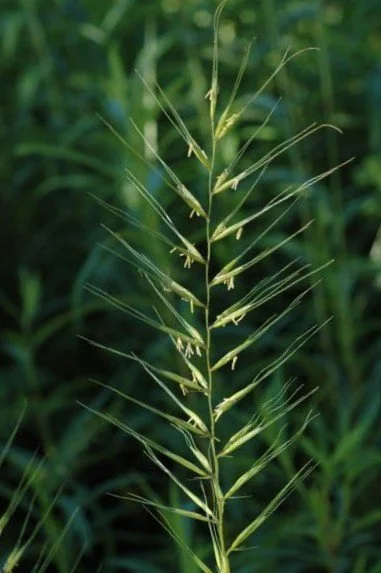
This native, cool-season grass is famous for its distinctive flower spikes that appear in mid-summer, resembling bristly brushes. Bottlebrush Grass is a shade-loving champion. It is one of the few native grasses that will happily illuminate the darker corners of your yard, providing vertical interest and a cool, "forest-floor" aesthetic.
Sun Exposure Partial Shade to Full Shade
Water Needs Low to Moderate; quite drought-tolerant once established.
Soil Type Adaptable; thrives in rocky, loam, or dry clay soils.
Mature Height 2 – 4 feet (including flower spikes)
Deer Resistance High
Bloom Time June – August
Plant Spacing 12 – 18 inches
Dry Shade Solution: One of the best plants for the "difficult" dry shade found under large trees where little else will grow.
Winter Interest: The seed heads remain attractive long after the growing season ends, standing tall through the frost and light snow.
Larval Host: This grass serves as a vital nursery for the Northern Pearly-eye butterfly.
Bird Forage: In late fall and winter, the seeds are a high-energy food source for small ground-feeding songbirds like juncos and sparrows.
Shelter: The tufted, bunch-forming habit provides excellent nesting material and cover for beneficial insects and small wildlife.
Pro Tip: For a stunning visual effect, plant Bottlebrush Grass in small clusters.
No results match your search. Try removing a few filters.