
 Image 1 of 1
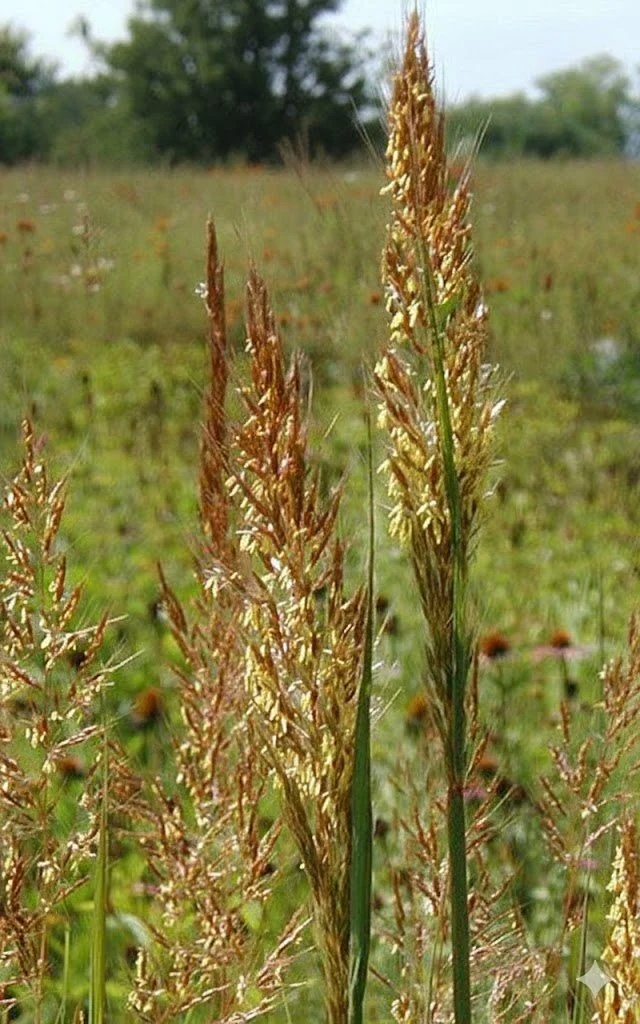
One of the "Big Four" species of the tallgrass prairie, this native perennial is known for it’s seed heads that turn golden-yellow to bronze in the fall.
Sun Exposure Full Sun to Part Shade
Water Needs Low to Medium
Soil Type Adaptable; Sand, Loam, or Clay
Mature Height 5 to 6 feet
Deer Resistance High
Bloom Time August – September
Plant Spacing 2 – 3 feet
Color: Clusters of bronze colored seed with golden stems. It is one of the first warm season grasses to form seeds.
Erosion Control & Privacy: Thanks to its sturdy, deep root system and tall stature, it works beautifully as a natural screen or to help stabilize soil on slopes and larger properties.
Low Maintenance: Highly adaptable and resilient, it thrives in a variety of conditions once established, requiring very little attention from the gardener.
Pollinator Host: It is a vital larval host plant for several butterfly species, including the Pepper and Salt Skipper and the Ottoe Skipper.
Bird Habitat: The nutrient-rich seeds are a primary food source for songbirds throughout the fall, while the tall, stiff stems provide excellent nesting material and cover for ground-dwelling birds.
Beneficial Shelter: The base of the plant offers protected overwintering sites for native bees and other helpful insects.
Pro-Tip: Indian Grass can be an aggressive grower that spreads in two ways: through its heavy seed drop in the fall and via short underground stems called rhizomes, so it is usually not recommended for small landscapes.
To control the seeds: Simply cut back the feathery plumes in late autumn before they shatter.
To control the roots: If you are planting in a smaller garden bed, you can "trench" around the base of the plant once a year with a sharp spade to sever the rhizomes and keep the clump from expanding into its neighbors. This makes it a great choice for both expansive meadows and managed borders!
One of the "Big Four" species of the tallgrass prairie, this native perennial is known for it’s seed heads that turn golden-yellow to bronze in the fall.
Sun Exposure Full Sun to Part Shade
Water Needs Low to Medium
Soil Type Adaptable; Sand, Loam, or Clay
Mature Height 5 to 6 feet
Deer Resistance High
Bloom Time August – September
Plant Spacing 2 – 3 feet
Color: Clusters of bronze colored seed with golden stems. It is one of the first warm season grasses to form seeds.
Erosion Control & Privacy: Thanks to its sturdy, deep root system and tall stature, it works beautifully as a natural screen or to help stabilize soil on slopes and larger properties.
Low Maintenance: Highly adaptable and resilient, it thrives in a variety of conditions once established, requiring very little attention from the gardener.
Pollinator Host: It is a vital larval host plant for several butterfly species, including the Pepper and Salt Skipper and the Ottoe Skipper.
Bird Habitat: The nutrient-rich seeds are a primary food source for songbirds throughout the fall, while the tall, stiff stems provide excellent nesting material and cover for ground-dwelling birds.
Beneficial Shelter: The base of the plant offers protected overwintering sites for native bees and other helpful insects.
Pro-Tip: Indian Grass can be an aggressive grower that spreads in two ways: through its heavy seed drop in the fall and via short underground stems called rhizomes, so it is usually not recommended for small landscapes.
To control the seeds: Simply cut back the feathery plumes in late autumn before they shatter.
To control the roots: If you are planting in a smaller garden bed, you can "trench" around the base of the plant once a year with a sharp spade to sever the rhizomes and keep the clump from expanding into its neighbors. This makes it a great choice for both expansive meadows and managed borders!