
 Image 1 of 1
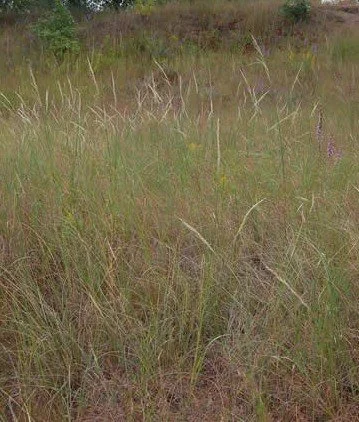
If you have a site with challenging, sandy soil where other plants struggle to take hold, Prairie Sand Reed is your solution. This tall, warm-season native grass is the ultimate "stabilizer," known for its massive root system and its ability to thrive in the most well-drained, arid conditions.
Sun Exposure Full Sun to Part Shade
Water Needs Very Low (Drought Tolerant once established)
Soil Type Sand, Loam, or Rocky; excels in poor soils
Mature Height 6 feet
Deer Resistance High
Bloom Time July – September
Plant Spacing 18 – 36 inches
Superior Erosion Control: This grass has an extensive network of deep roots and underground rhizomes. It is great for stabilizing sandy slopes, dunes, or any area prone to shifting soil.
Color: It features wide, light-green leaves that curve gracefully during the summer. In autumn, the foliage transitions to a pale gold or straw yellow.
Sun-Loving and Drought-tolerant: Native to the Great Plains and sand dunes, this plant is virtually unbothered by intense summer heat or prolonged dry spells. It is one of the most drought-tolerant grasses available.
Birds: The large, sturdy stalks provide excellent nesting sites and cover for songbirds, while the seeds offer a valuable food source in late fall.
Host Plant: It serves as a larval host for various species of Skipper butterflies, supporting the local pollinator lifecycle.
Winter Shelter: Because it remains upright through most of the winter, it provides vital windbreaks and protection for small wildlife during harsh weather.
Pro-Tip: Unlike "clump-forming" grasses that stay in a neat ball (like Prairie Dropseed), Prairie Sand Reed is a rhizomatous grass, meaning it spreads underground to create a solid mat. This makes it your best friend for steep, sandy hillsides or "problem areas" where soil washes away during rain.
If you have a site with challenging, sandy soil where other plants struggle to take hold, Prairie Sand Reed is your solution. This tall, warm-season native grass is the ultimate "stabilizer," known for its massive root system and its ability to thrive in the most well-drained, arid conditions.
Sun Exposure Full Sun to Part Shade
Water Needs Very Low (Drought Tolerant once established)
Soil Type Sand, Loam, or Rocky; excels in poor soils
Mature Height 6 feet
Deer Resistance High
Bloom Time July – September
Plant Spacing 18 – 36 inches
Superior Erosion Control: This grass has an extensive network of deep roots and underground rhizomes. It is great for stabilizing sandy slopes, dunes, or any area prone to shifting soil.
Color: It features wide, light-green leaves that curve gracefully during the summer. In autumn, the foliage transitions to a pale gold or straw yellow.
Sun-Loving and Drought-tolerant: Native to the Great Plains and sand dunes, this plant is virtually unbothered by intense summer heat or prolonged dry spells. It is one of the most drought-tolerant grasses available.
Birds: The large, sturdy stalks provide excellent nesting sites and cover for songbirds, while the seeds offer a valuable food source in late fall.
Host Plant: It serves as a larval host for various species of Skipper butterflies, supporting the local pollinator lifecycle.
Winter Shelter: Because it remains upright through most of the winter, it provides vital windbreaks and protection for small wildlife during harsh weather.
Pro-Tip: Unlike "clump-forming" grasses that stay in a neat ball (like Prairie Dropseed), Prairie Sand Reed is a rhizomatous grass, meaning it spreads underground to create a solid mat. This makes it your best friend for steep, sandy hillsides or "problem areas" where soil washes away during rain.