
 Image 1 of 1
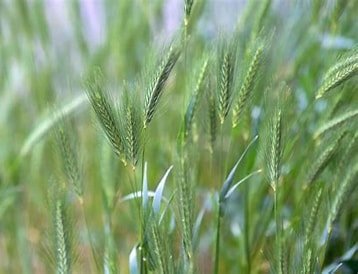
Best known for its heavy, arched seed heads that resemble cultivated rye or wheat, this cool-season bunchgrass adds a graceful "nodding" movement to any landscape.
Sun Exposure Full Sun to Part Shade
Water Needs Medium-Low (Very Adaptable)
Soil Type Versatile; thrives in Sand, Loam, or Clay
Mature Height 4 to 5 feet
Deer Resistance Moderate - High
Bloom Time July – October
Plant Spacing 2 – 3 feet
Canada Wild Rye is prized for its rapid growth and its ability to provide beauty even in the very first year of planting.
Distinctive Seed Heads: By mid-summer, the plant produces large, bristly spikes that curve downward under their own weight and creates a "nodding" movement to the grasses. The seed heads remain intact well into the winter, turning from green into a soft-tan.
Fast Establisher: Unlike some native grasses that take years to mature, Canada Wild Rye grows quickly. It is often used as a "nurse grass" to stabilize soil while slower perennials get established.
Versatile & Adaptable: It is remarkably unfussy about soil, thriving in everything from sandy loams to heavy clay, and can handle both moist and dry conditions.
Larval Host: It serves as a host plant for many Skipper butterflies and various species of moths.
Winter Bird Buffet: The seeds are a favorite for wild turkeys, sparrows and various songbirds during the winter months.
Superior Cover: The dense, clump-forming foliage provides excellent nesting habitat for ground-nesting birds and protection for small wildlife.
Pro Tip: Canada Wild Rye is a relatively short-lived perennial (usually 3–5 years), but it gracefully self-seeds. Allow the seed heads to drop in autumn to ensure a beautiful, self-sustaining stand for years to come.
Best known for its heavy, arched seed heads that resemble cultivated rye or wheat, this cool-season bunchgrass adds a graceful "nodding" movement to any landscape.
Sun Exposure Full Sun to Part Shade
Water Needs Medium-Low (Very Adaptable)
Soil Type Versatile; thrives in Sand, Loam, or Clay
Mature Height 4 to 5 feet
Deer Resistance Moderate - High
Bloom Time July – October
Plant Spacing 2 – 3 feet
Canada Wild Rye is prized for its rapid growth and its ability to provide beauty even in the very first year of planting.
Distinctive Seed Heads: By mid-summer, the plant produces large, bristly spikes that curve downward under their own weight and creates a "nodding" movement to the grasses. The seed heads remain intact well into the winter, turning from green into a soft-tan.
Fast Establisher: Unlike some native grasses that take years to mature, Canada Wild Rye grows quickly. It is often used as a "nurse grass" to stabilize soil while slower perennials get established.
Versatile & Adaptable: It is remarkably unfussy about soil, thriving in everything from sandy loams to heavy clay, and can handle both moist and dry conditions.
Larval Host: It serves as a host plant for many Skipper butterflies and various species of moths.
Winter Bird Buffet: The seeds are a favorite for wild turkeys, sparrows and various songbirds during the winter months.
Superior Cover: The dense, clump-forming foliage provides excellent nesting habitat for ground-nesting birds and protection for small wildlife.
Pro Tip: Canada Wild Rye is a relatively short-lived perennial (usually 3–5 years), but it gracefully self-seeds. Allow the seed heads to drop in autumn to ensure a beautiful, self-sustaining stand for years to come.