
 Image 1 of 1
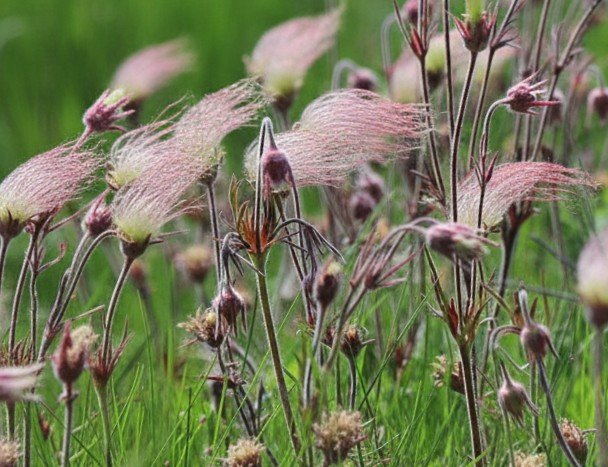
A distinctive and hardy ground-covering perennial. It’s a low-growing charmer that transforms after it blooms, turning from nodding pink bells into feathery, smoky pink seed heads.
Sun Exposure Full Sun to Partial Shade
Water Needs Low; prefers well-drained conditions
Soil Type Well-drained Loam, Sand, Rocky, or Gravelly soil
Mature Height 8 inches
Deer Resistance High
Bloom Time April – June
Bloom Color Pink/Red
Plant Spacing 6 – 8 inches
Nodding Bells: Before the "smoke" appears, each stem holds three small, reddish-pink bells that hang downward.
The "Smoke" Effect: After the nodding pink flowers are pollinated, the styles elongate into 2-inch long, feathery pink plumes. In a mass planting, these look like a low-lying pink cloud or "smoke" hovering over the ground.
Fern-like Foliage: The leaves are deeply serrated, soft, and resemble tiny fern fronds.
Slow Spreading: Prairie Smoke will slowly spread by rhizome in well-drained soils to form a ground cover and work well in in dry rock gardens.
Early Season Nectar: It is one of the earliest sources of food for a variety of bees and other pollinators.
A distinctive and hardy ground-covering perennial. It’s a low-growing charmer that transforms after it blooms, turning from nodding pink bells into feathery, smoky pink seed heads.
Sun Exposure Full Sun to Partial Shade
Water Needs Low; prefers well-drained conditions
Soil Type Well-drained Loam, Sand, Rocky, or Gravelly soil
Mature Height 8 inches
Deer Resistance High
Bloom Time April – June
Bloom Color Pink/Red
Plant Spacing 6 – 8 inches
Nodding Bells: Before the "smoke" appears, each stem holds three small, reddish-pink bells that hang downward.
The "Smoke" Effect: After the nodding pink flowers are pollinated, the styles elongate into 2-inch long, feathery pink plumes. In a mass planting, these look like a low-lying pink cloud or "smoke" hovering over the ground.
Fern-like Foliage: The leaves are deeply serrated, soft, and resemble tiny fern fronds.
Slow Spreading: Prairie Smoke will slowly spread by rhizome in well-drained soils to form a ground cover and work well in in dry rock gardens.
Early Season Nectar: It is one of the earliest sources of food for a variety of bees and other pollinators.