
 Image 1 of 1
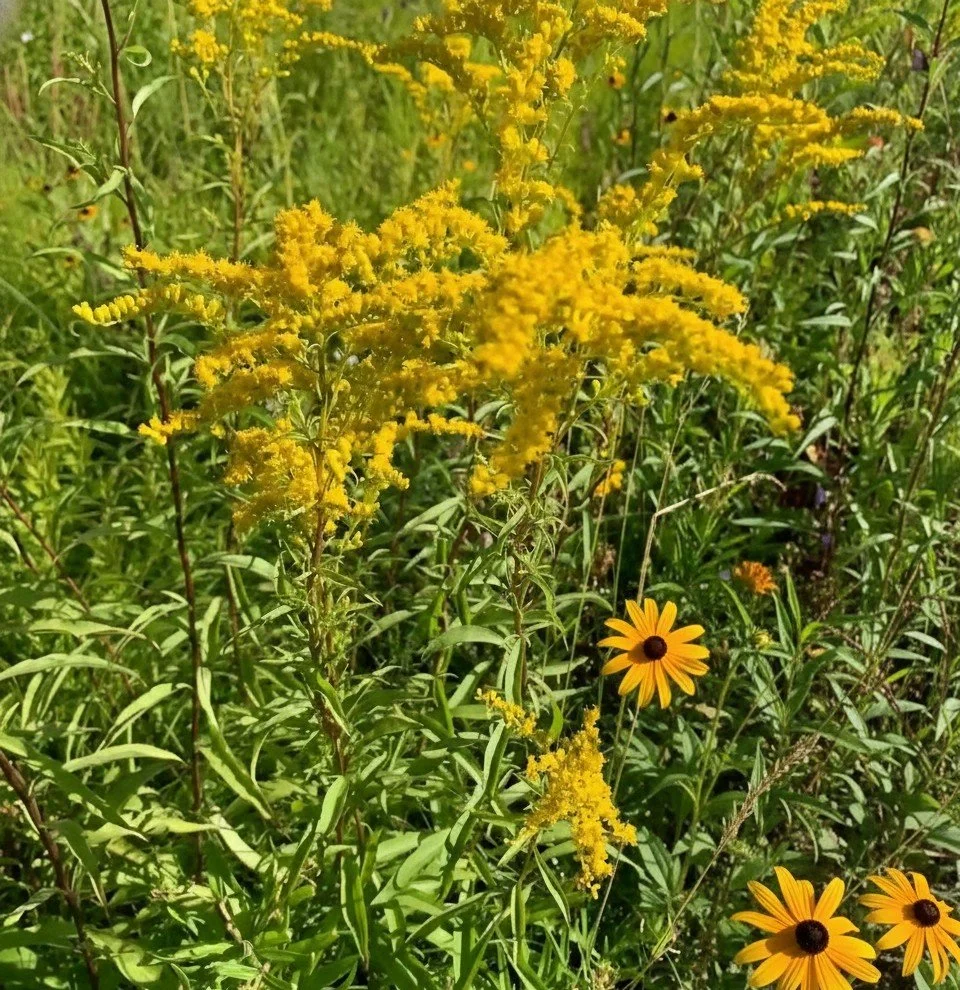
While most goldenrods wait for the cool air of fall to arrive, this eager native begins lighting up the landscape in mid-to-late summer. It features elegant, arching wands of tiny, nectar-rich yellow flowers that look like a burst of sunshine caught on a stem.
Unlike some of its taller, more aggressive relatives that can take over a space, this species stays at a moderate, manageable height and forms tidy clumps. It is the perfect choice for adding a "layered" look to your garden beds, filling the gap between your mid-summer blooms and the late-season asters.
Sun Exposure Full Sun to Partial Shade
Water Needs Low to Medium; very drought-tolerant
Soil Type Well-drained Sand, Loam, or Rocky soil
Mature Height 2 – 4 feet
Deer Resistance High
Bloom Time July – September
Bloom Color Yellow
Plant Spacing 1 – 3 feet
First to Bloom: As the name suggests, it is one of the earliest goldenrods to flower, providing a critical "bridge" of color between summer and fall.
Pollinator Powerhouse: The brilliant yellow plumes are a primary nectar source for a huge array of beneficial insects during the peak of summer heat.
Aggressing Spreader: Spreads by rhizomes. Keep this in mind when selecting your planting site, may not be suitable for small landscapes.
Thinning every few years is recommended.
Butterfly Fuel: It is a favorite stop for Monarchs, Viceroys, and hairstreaks as they begin their late-season activities.
Native Bee Support: It provides high-quality pollen for specialized native bees that rely on goldenrods to feed their young.
Songbird Food: In the winter, the dried seed heads offer a tiny but nutritious feast for chickadees and goldfinches.
*Don’t believe the myths—Goldenrod does not cause hay fever! Its pollen is heavy and sticky (designed to be carried by bees, not the wind). The real culprit for itchy eyes is usually Ragweed, which blooms at the same time but has inconspicuous green flowers. You can plant Early Goldenrod with confidence, knowing it brings beauty and health to your garden without the sneezing!
While most goldenrods wait for the cool air of fall to arrive, this eager native begins lighting up the landscape in mid-to-late summer. It features elegant, arching wands of tiny, nectar-rich yellow flowers that look like a burst of sunshine caught on a stem.
Unlike some of its taller, more aggressive relatives that can take over a space, this species stays at a moderate, manageable height and forms tidy clumps. It is the perfect choice for adding a "layered" look to your garden beds, filling the gap between your mid-summer blooms and the late-season asters.
Sun Exposure Full Sun to Partial Shade
Water Needs Low to Medium; very drought-tolerant
Soil Type Well-drained Sand, Loam, or Rocky soil
Mature Height 2 – 4 feet
Deer Resistance High
Bloom Time July – September
Bloom Color Yellow
Plant Spacing 1 – 3 feet
First to Bloom: As the name suggests, it is one of the earliest goldenrods to flower, providing a critical "bridge" of color between summer and fall.
Pollinator Powerhouse: The brilliant yellow plumes are a primary nectar source for a huge array of beneficial insects during the peak of summer heat.
Aggressing Spreader: Spreads by rhizomes. Keep this in mind when selecting your planting site, may not be suitable for small landscapes.
Thinning every few years is recommended.
Butterfly Fuel: It is a favorite stop for Monarchs, Viceroys, and hairstreaks as they begin their late-season activities.
Native Bee Support: It provides high-quality pollen for specialized native bees that rely on goldenrods to feed their young.
Songbird Food: In the winter, the dried seed heads offer a tiny but nutritious feast for chickadees and goldfinches.
*Don’t believe the myths—Goldenrod does not cause hay fever! Its pollen is heavy and sticky (designed to be carried by bees, not the wind). The real culprit for itchy eyes is usually Ragweed, which blooms at the same time but has inconspicuous green flowers. You can plant Early Goldenrod with confidence, knowing it brings beauty and health to your garden without the sneezing!