
 Image 1 of 1
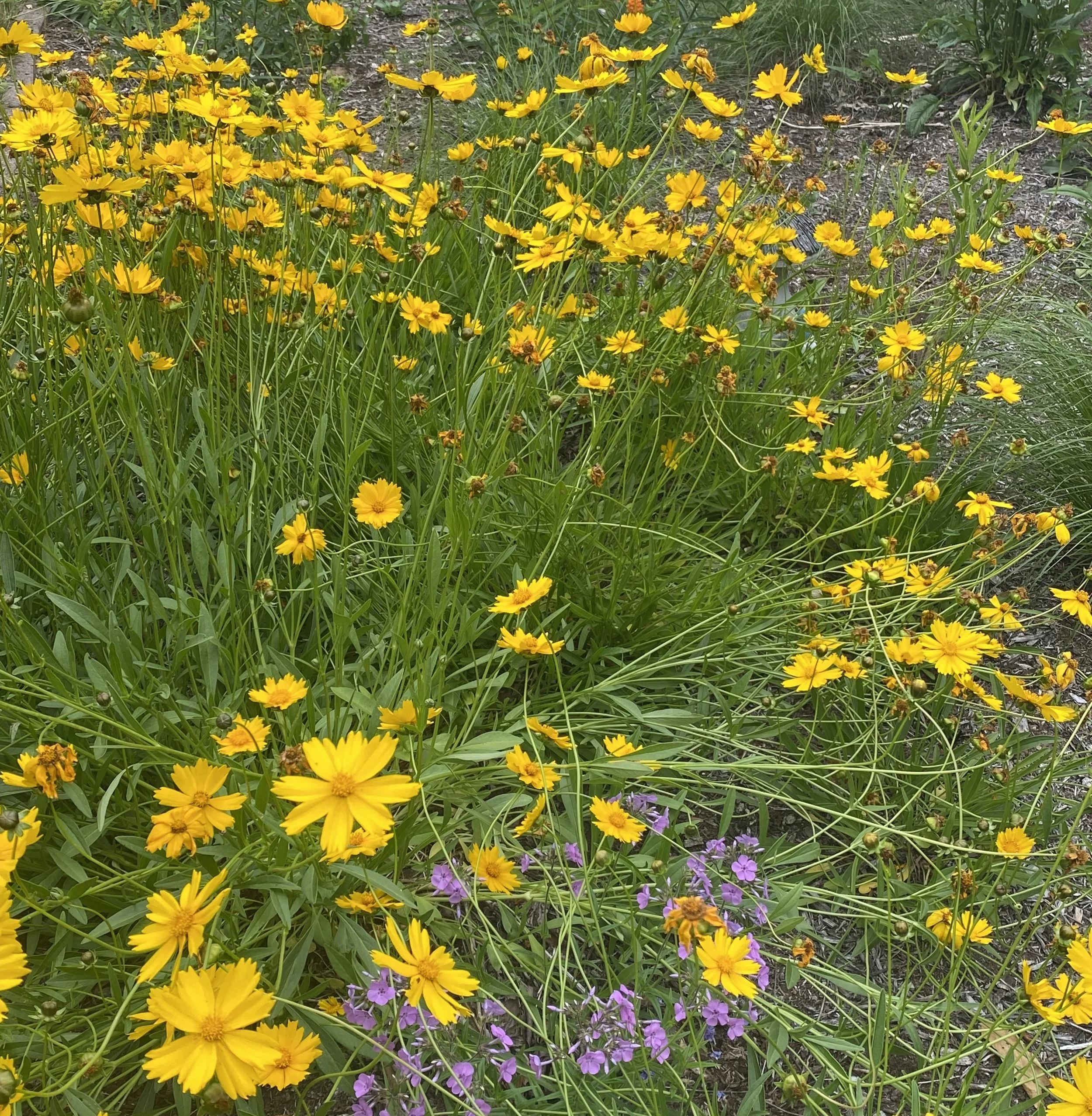
A bright, sunny perennial known for its abundance of daisy-like, yellow flowers with jagged-edged petals. It is exceptionally hardy and is often one of the first "prairie" plants to bloom, providing a long-lasting splash of color in early summer. It is one of the most popular and easiest-to-grow natives, bridging the gap between your late-spring bloomers.
Sun Exposure Full Sun
Water Needs Low; very drought-tolerant
Soil Type Well-drained Clay, Loam, Sand, Rocky, or Lean/Poor soil
Mature Height 2 feet
Deer Resistance Moderate - High
Bloom Time May – August
Bloom Color Yellow
Plant Spacing 10 – 16 inches
The "Sand Tickseed": Its nickname comes from its ability to thrive in poor, sandy, or gravelly soils where other plants might struggle. It actually prefers "lean" soil—if the soil is too rich, it may grow too quickly and flop over. Many think the seeds look like ticks.
Self-Seeding Beauty: While it is a perennial, it is also a prolific self-seeder. It will fill in gaps in your garden beds naturally, creating a lush, meadow-like appearance over time.
Promptly dead-head spent blossoms to prolong the blooming period.
Pollinators: The flat, open faces of the flowers make it easy for a wide variety of butterflies, and native bees to seen regularly. As many as 22 native bee species rely on Coreopsis plants.
Songbird Seeds: As the name "Tickseed" implies, the small, dark seeds resemble ticks. These seeds are a favorite snack for goldfinches and other small birds in the late summer
A bright, sunny perennial known for its abundance of daisy-like, yellow flowers with jagged-edged petals. It is exceptionally hardy and is often one of the first "prairie" plants to bloom, providing a long-lasting splash of color in early summer. It is one of the most popular and easiest-to-grow natives, bridging the gap between your late-spring bloomers.
Sun Exposure Full Sun
Water Needs Low; very drought-tolerant
Soil Type Well-drained Clay, Loam, Sand, Rocky, or Lean/Poor soil
Mature Height 2 feet
Deer Resistance Moderate - High
Bloom Time May – August
Bloom Color Yellow
Plant Spacing 10 – 16 inches
The "Sand Tickseed": Its nickname comes from its ability to thrive in poor, sandy, or gravelly soils where other plants might struggle. It actually prefers "lean" soil—if the soil is too rich, it may grow too quickly and flop over. Many think the seeds look like ticks.
Self-Seeding Beauty: While it is a perennial, it is also a prolific self-seeder. It will fill in gaps in your garden beds naturally, creating a lush, meadow-like appearance over time.
Promptly dead-head spent blossoms to prolong the blooming period.
Pollinators: The flat, open faces of the flowers make it easy for a wide variety of butterflies, and native bees to seen regularly. As many as 22 native bee species rely on Coreopsis plants.
Songbird Seeds: As the name "Tickseed" implies, the small, dark seeds resemble ticks. These seeds are a favorite snack for goldfinches and other small birds in the late summer