
 Image 1 of 3
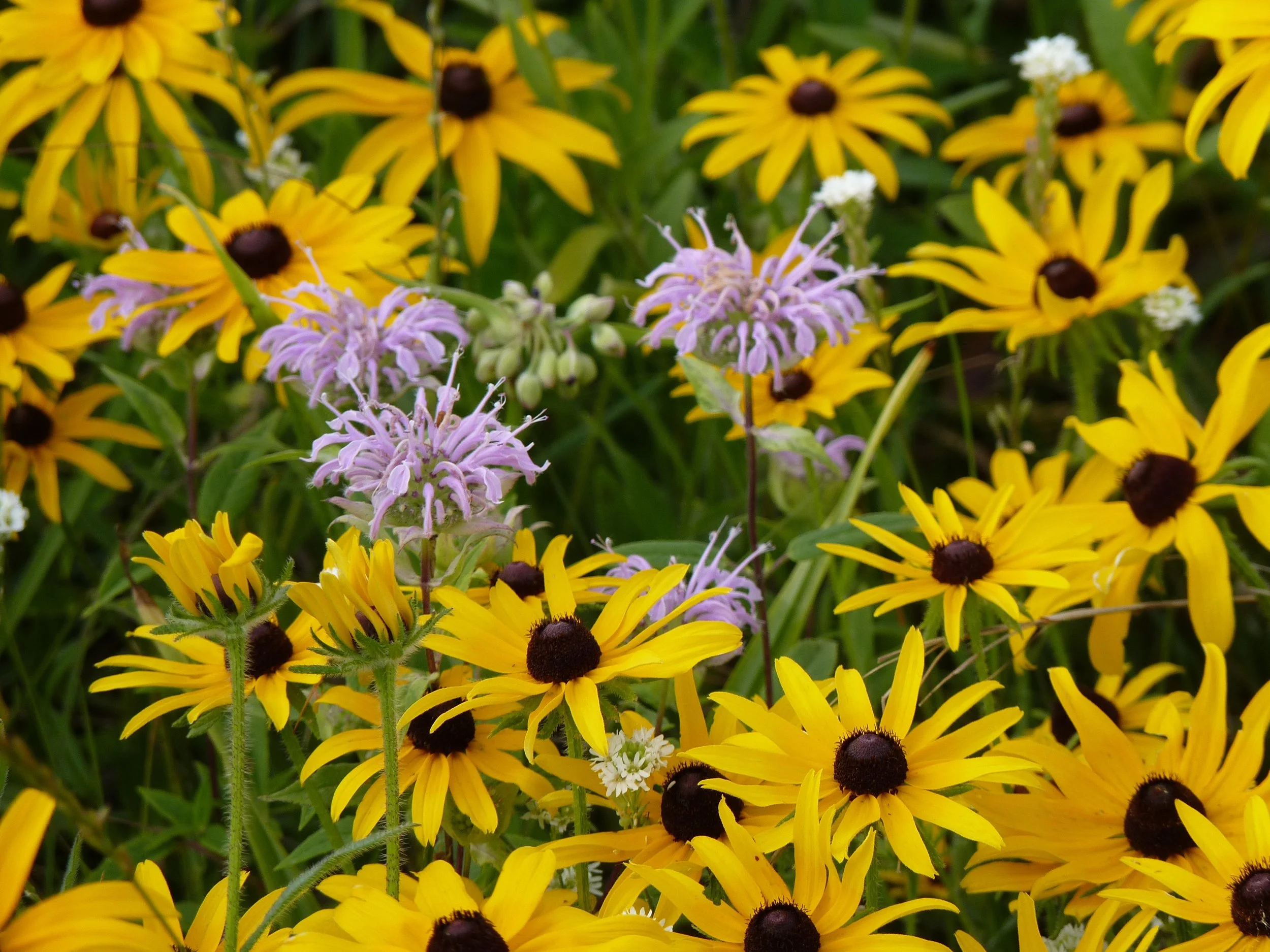 Image 2 of 3
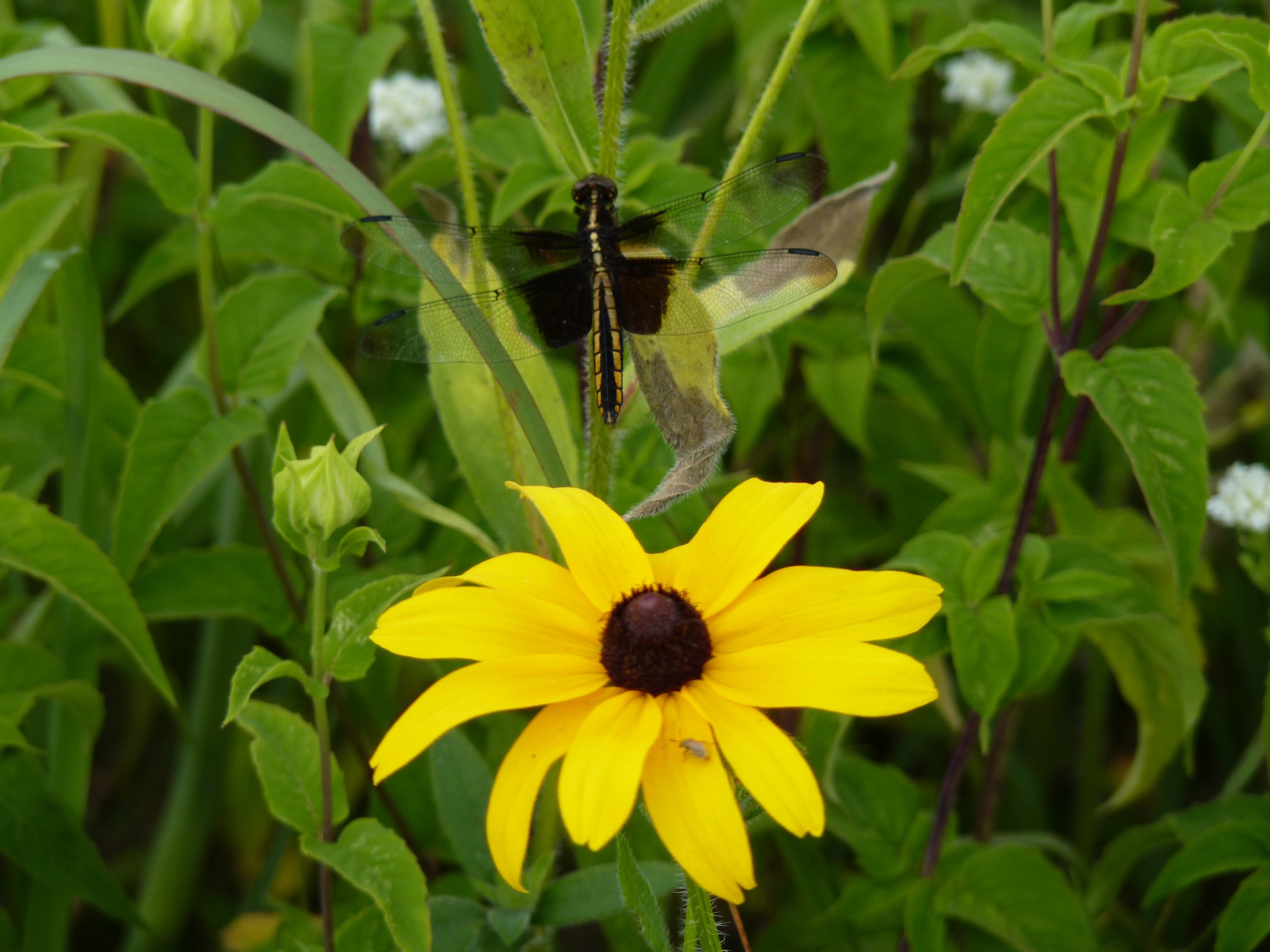 Image 3 of 3
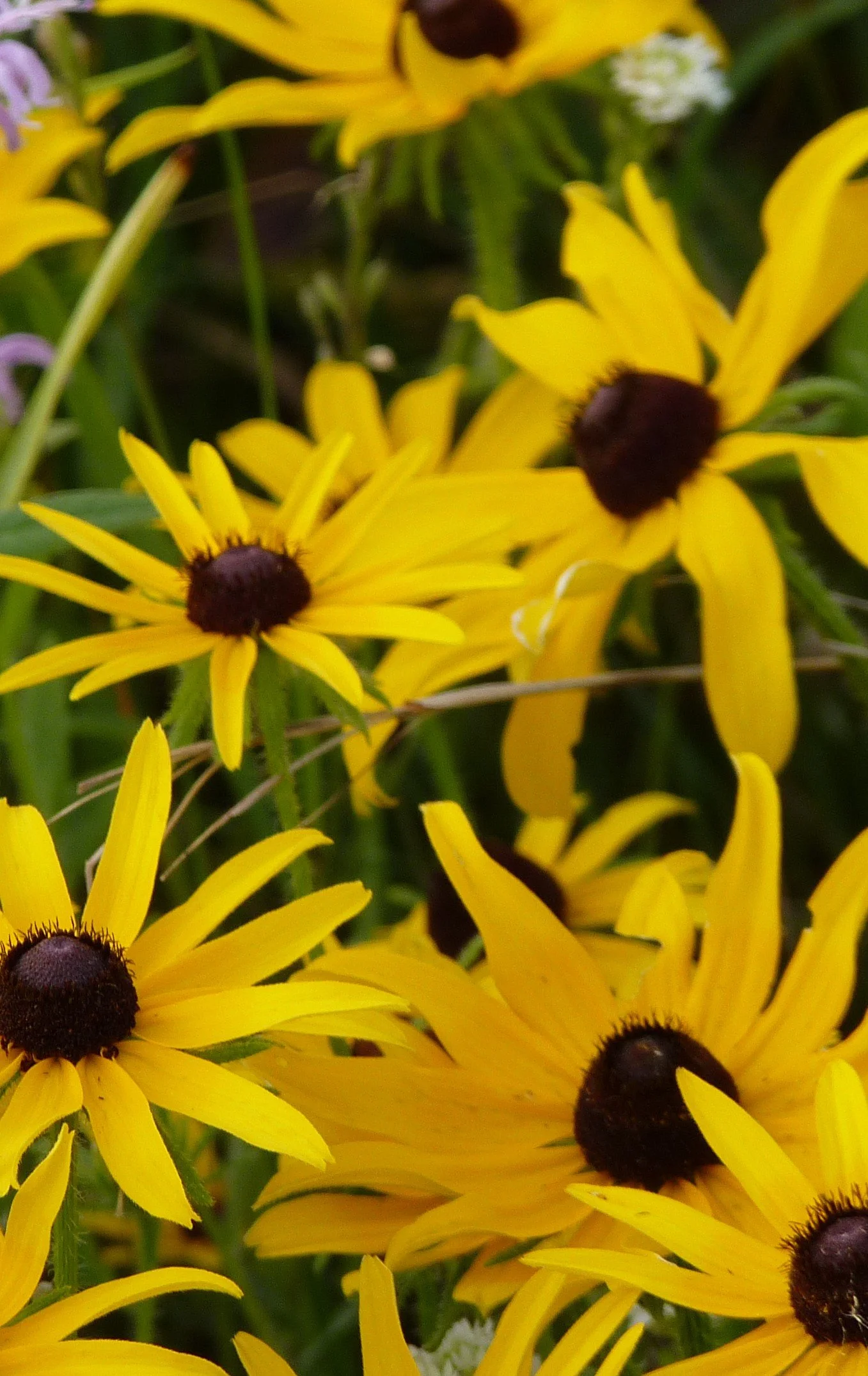
A staple of the American landscape, these iconic wildflowers feature bright daisy-like petals surrounding a deep chocolate-brown central cone. Black-Eyed Susans are extraordinarily hardy, heat-tolerant, and capable of thriving in conditions where more delicate flowers might falter. They are the perfect choice for gardeners who want high-impact color with minimal effort.
Sun Exposure Full Sun (Preferred) to Partial Shade
Water Needs Low to Moderate; very drought-tolerant once established
Soil Type Needed Adaptable; can thrive in Muck, Clay, Loam or Sandy soils.
Mature Height 2 – 3 feet
Deer Resistance Moderate
Bloom Time June – October
Bloom Color Yellow
Plant Spacing 10 – 12 inches
One of the longest bloom periods of any summer perennial, often lasting from early summer right through the first frost.
The plant is biennial that blooms and completes in life cycle in it’s seconds year. They are self-seeders, so they will appear in your garden for years to come but can succumb to longer-lived perennials in later years after planting.
Highly resistant to heat, humidity, and drought, making them ideal for "problem spots" in the yard.
Pollinator Favorite: The wide, flat blooms act as perfect landing pads for a variety of butterflies, including Monarchs, the Wavy-Lined Emerald and the Silvery Checkerspot.
Bee Support: A primary nectar source for honeybees and several species of native solitary bees.
Birds: If you delay your garden cleanup until spring, the sturdy seed heads provide essential winter forage for goldfinches and other small songbirds.
A staple of the American landscape, these iconic wildflowers feature bright daisy-like petals surrounding a deep chocolate-brown central cone. Black-Eyed Susans are extraordinarily hardy, heat-tolerant, and capable of thriving in conditions where more delicate flowers might falter. They are the perfect choice for gardeners who want high-impact color with minimal effort.
Sun Exposure Full Sun (Preferred) to Partial Shade
Water Needs Low to Moderate; very drought-tolerant once established
Soil Type Needed Adaptable; can thrive in Muck, Clay, Loam or Sandy soils.
Mature Height 2 – 3 feet
Deer Resistance Moderate
Bloom Time June – October
Bloom Color Yellow
Plant Spacing 10 – 12 inches
One of the longest bloom periods of any summer perennial, often lasting from early summer right through the first frost.
The plant is biennial that blooms and completes in life cycle in it’s seconds year. They are self-seeders, so they will appear in your garden for years to come but can succumb to longer-lived perennials in later years after planting.
Highly resistant to heat, humidity, and drought, making them ideal for "problem spots" in the yard.
Pollinator Favorite: The wide, flat blooms act as perfect landing pads for a variety of butterflies, including Monarchs, the Wavy-Lined Emerald and the Silvery Checkerspot.
Bee Support: A primary nectar source for honeybees and several species of native solitary bees.
Birds: If you delay your garden cleanup until spring, the sturdy seed heads provide essential winter forage for goldfinches and other small songbirds.