
 Image 1 of 1
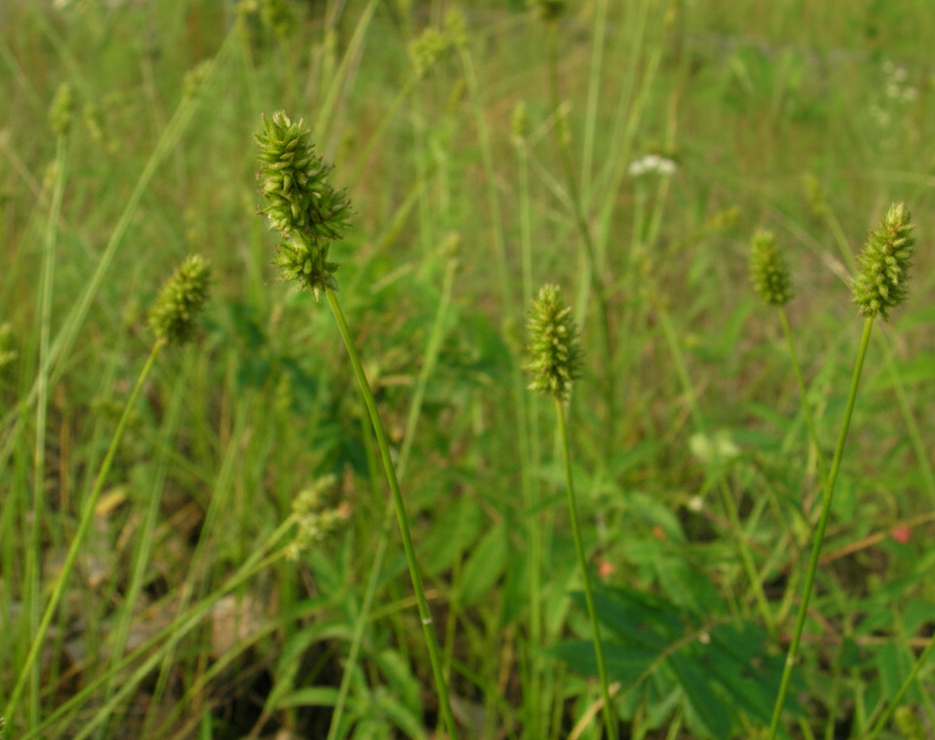
This hardy native perennial is a champion of dry, challenging environments. Named for its preference for sandy or rocky terrains, it is an ideal choice for gardeners looking to fill difficult gaps with a plant that is as tough as it is attractive. Sand Bracted Sedge is particularly valued for its distinct, prickly-looking seed spikes that emerge in late spring. Whether you are designing a rock garden, a dry meadow, or looking for a low-maintenance groundcover for an upland site, this sedge provides reliable structure and year-round appeal.
Sun Exposure Full Sun (preferred) to Part Shade
Water Needs Low; highly drought-tolerant once established
Soil Type Sandy, rocky, or well-drained loams; tolerates poor soil
Mature Height 2 - 3 feet
Deer Resistance Moderate
Bloom Time May, June, July
Plant Spacing 12–18 inches
Unbeatable Hardiness: One of the best sedges for dry, sandy, or nutrient-poor soils where other plants struggle to survive.
prefers full sun and dry, even sandy soils in areas like sand dunes, upland sand prairies, rocky woodlands, and areas along railroads and fields.
Neat Habit: Unlike some spreading sedges, this species stays in tidy, reliable clumps, making it easy to incorporate into formal garden beds.
Wildlife Benefit: The seeds of this upland sedge are a food source for the birds such as Pheasant, Wild Turkey, Horned Lark, and the Snow Buntings. The Prairie Vole will also feed on the foliage and seeds.
This hardy native perennial is a champion of dry, challenging environments. Named for its preference for sandy or rocky terrains, it is an ideal choice for gardeners looking to fill difficult gaps with a plant that is as tough as it is attractive. Sand Bracted Sedge is particularly valued for its distinct, prickly-looking seed spikes that emerge in late spring. Whether you are designing a rock garden, a dry meadow, or looking for a low-maintenance groundcover for an upland site, this sedge provides reliable structure and year-round appeal.
Sun Exposure Full Sun (preferred) to Part Shade
Water Needs Low; highly drought-tolerant once established
Soil Type Sandy, rocky, or well-drained loams; tolerates poor soil
Mature Height 2 - 3 feet
Deer Resistance Moderate
Bloom Time May, June, July
Plant Spacing 12–18 inches
Unbeatable Hardiness: One of the best sedges for dry, sandy, or nutrient-poor soils where other plants struggle to survive.
prefers full sun and dry, even sandy soils in areas like sand dunes, upland sand prairies, rocky woodlands, and areas along railroads and fields.
Neat Habit: Unlike some spreading sedges, this species stays in tidy, reliable clumps, making it easy to incorporate into formal garden beds.
Wildlife Benefit: The seeds of this upland sedge are a food source for the birds such as Pheasant, Wild Turkey, Horned Lark, and the Snow Buntings. The Prairie Vole will also feed on the foliage and seeds.