
 Image 1 of 1
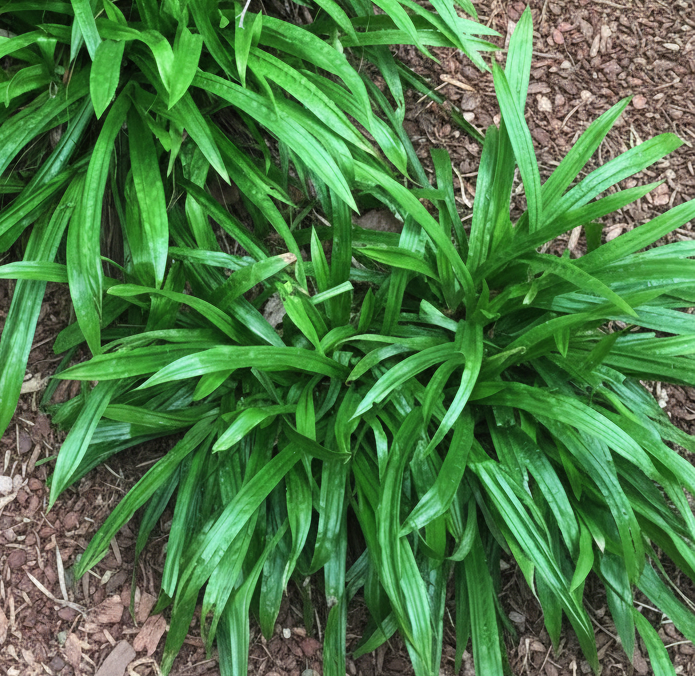
Unlike the fine, grassy leaves of many other sedges, this features broad, puckered (seersucker-like) foliage that resembles the common plantain. This sedge is one of the first plants to signal spring, sending up flowerheads that begin as tight burgundy spears, with yellow filaments emerging from within. It is a clump-forming, slow-spreading native that works beautifully as a groundcover, a border plant for woodland paths, or as a striking accent in a rock garden.
Sun Exposure Part Shade to Full Shade
Water Needs Medium; prefers consistent moisture but is somewhat drought-tolerant once established
Soil Type Rich, moist, well-drained Clay, Loam or Sand
Mature Height 6 - 12 inches
Deer Resistance Moderate
Bloom Time April, May, June
Plant Spacing 8 - 12 inches
Growing conditions: grows best in a fertile woodland setting with moderate temperatures and relatively high humidity. It prefers medium-dappled shade and consistently moist soil, but will acclimate to a wide range of conditions.
Dry Shade Tolerant: Once established, it handles the difficult "dry shade" conditions found under mature trees better than many other perennials.
Wildlife Value: Wild Turkey and Ruffed Grouse will eat the seed.
Unlike the fine, grassy leaves of many other sedges, this features broad, puckered (seersucker-like) foliage that resembles the common plantain. This sedge is one of the first plants to signal spring, sending up flowerheads that begin as tight burgundy spears, with yellow filaments emerging from within. It is a clump-forming, slow-spreading native that works beautifully as a groundcover, a border plant for woodland paths, or as a striking accent in a rock garden.
Sun Exposure Part Shade to Full Shade
Water Needs Medium; prefers consistent moisture but is somewhat drought-tolerant once established
Soil Type Rich, moist, well-drained Clay, Loam or Sand
Mature Height 6 - 12 inches
Deer Resistance Moderate
Bloom Time April, May, June
Plant Spacing 8 - 12 inches
Growing conditions: grows best in a fertile woodland setting with moderate temperatures and relatively high humidity. It prefers medium-dappled shade and consistently moist soil, but will acclimate to a wide range of conditions.
Dry Shade Tolerant: Once established, it handles the difficult "dry shade" conditions found under mature trees better than many other perennials.
Wildlife Value: Wild Turkey and Ruffed Grouse will eat the seed.