
 Image 1 of 1
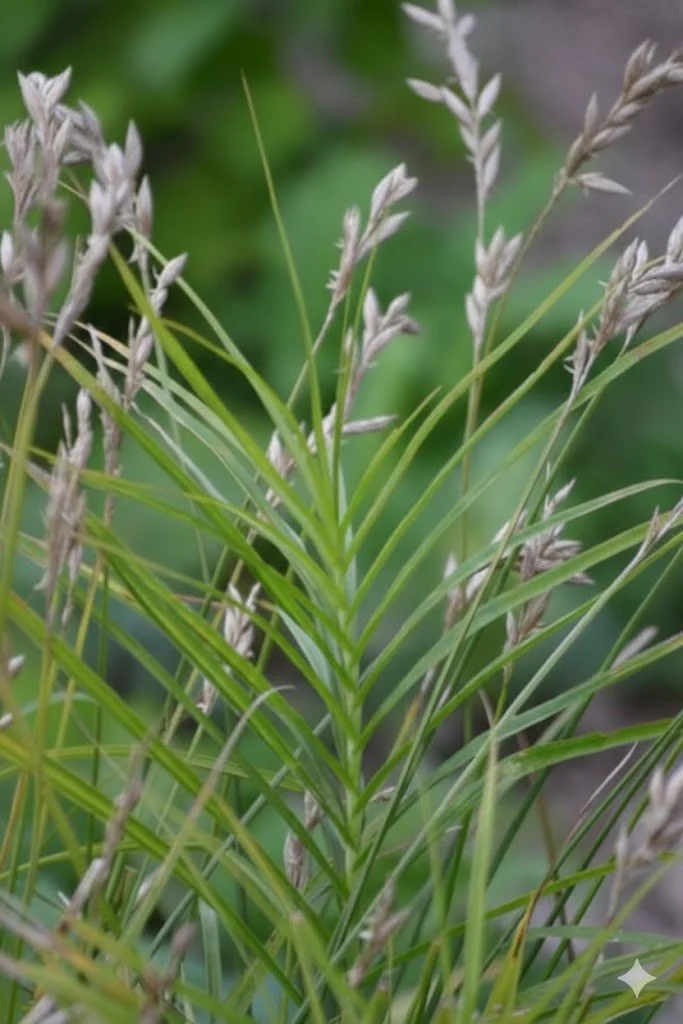
Known for its unique foliage arrangement, the leaves of this native sedge radiate from the stem tips like miniature palm fronds. Native to lowland woods and floodplains, Palm Sedge is incredibly hardy and adaptable. It forms dense, upright clumps that provide an excellent textural contrast to broad-leaved plants. Whether used as a massed groundcover or a focal point in a rain garden, it offers year-round visual appeal and structural integrity.
Sun Exposure Full Sun to Part Shade (prefers shade in hot climates)
Water Needs Medium to High; thrives in moist to wet conditions
Soil Type Moist, rich loams, sand, clay and brief flooding
Mature Height 2–3 feet
Deer Resistance High
Bloom Time July
Plant Spacing 1–2 feet
Unique Appearance: Its "palm-like" appearance adds an unexpected aesthetic to native plantings.
Versatile Solutions: Perfect for ground cover, rain gardens, or those soggy corners of the yard where traditional grasses fail.
Host Plant: Palm Sedge serves as a host plant for several for several Satyr larvae species.
Pro Tip: Palm Sedge is one of the few sedges that handles "wet feet" exceptionally well. To maintain its vibrant green color through the heat of summer, ensure it stays consistently moist. If the tips begin to brown, it’s a sign the plant needs a deep watering or more shade.
Known for its unique foliage arrangement, the leaves of this native sedge radiate from the stem tips like miniature palm fronds. Native to lowland woods and floodplains, Palm Sedge is incredibly hardy and adaptable. It forms dense, upright clumps that provide an excellent textural contrast to broad-leaved plants. Whether used as a massed groundcover or a focal point in a rain garden, it offers year-round visual appeal and structural integrity.
Sun Exposure Full Sun to Part Shade (prefers shade in hot climates)
Water Needs Medium to High; thrives in moist to wet conditions
Soil Type Moist, rich loams, sand, clay and brief flooding
Mature Height 2–3 feet
Deer Resistance High
Bloom Time July
Plant Spacing 1–2 feet
Unique Appearance: Its "palm-like" appearance adds an unexpected aesthetic to native plantings.
Versatile Solutions: Perfect for ground cover, rain gardens, or those soggy corners of the yard where traditional grasses fail.
Host Plant: Palm Sedge serves as a host plant for several for several Satyr larvae species.
Pro Tip: Palm Sedge is one of the few sedges that handles "wet feet" exceptionally well. To maintain its vibrant green color through the heat of summer, ensure it stays consistently moist. If the tips begin to brown, it’s a sign the plant needs a deep watering or more shade.