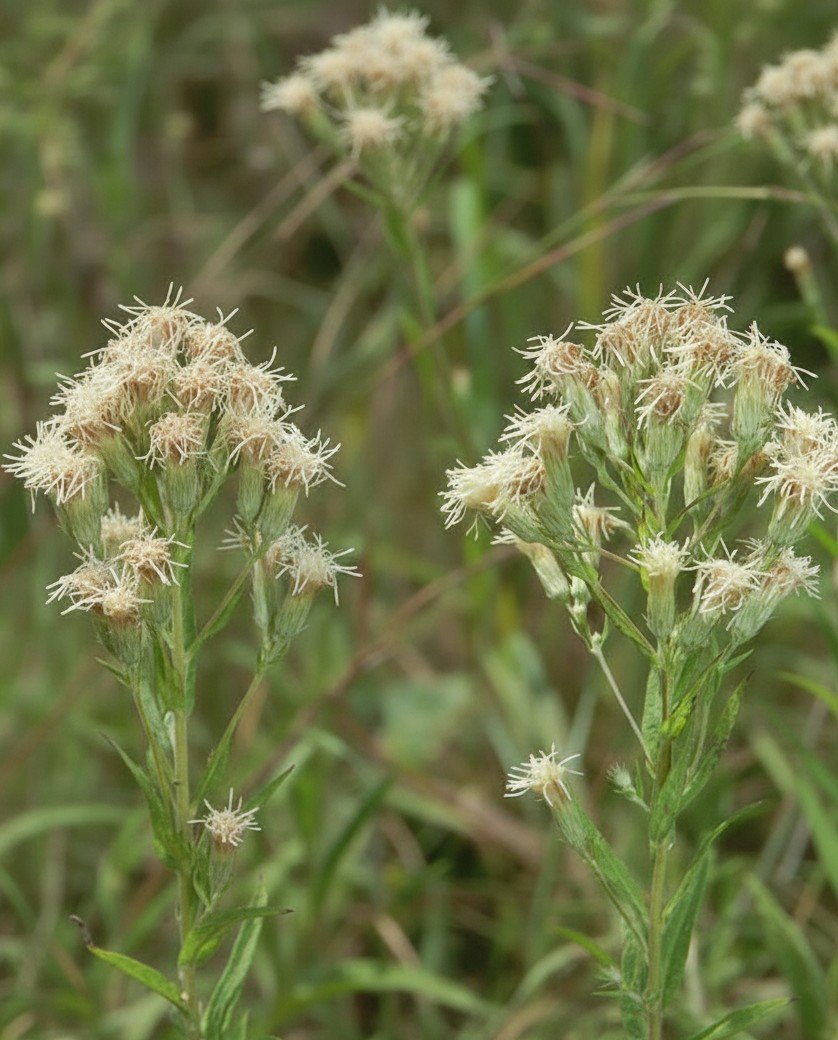
Also called Brickellbush, this tough-as-nails native is prized for its fine-textured foliage and creamy, vanilla-colored flowers. It provides a soft, neutral "break" for the eye in gardens filled with bright yellows and deep purples, making every other color look more vibrant. Though not very showy, it is an excellent nectar plant for butterflies and moths.
Sun Exposure Full Sun to Partial Shade
Water Needs Low; highly drought-tolerant (Xeric)
Soil Type Well-drained Sand, Loam, or Rocky/Gravelly soil
Mature Height 2 – 3 feet
Deer Resistance High
Bloom Time August – September
Bloom Color Cream
Plant Spacing 1 – 2 feet
Deep-Rooted: Like the False Indigo, it possesses a deep taproot that allows it to stay lush and green even during the most punishing summer droughts. Roots can grow up to 17 feet deep!
Tidy & Upright: It forms a clean, bushy mound of narrow, serrated leaves. It does not flop or lean, making it an excellent "structural" plant for the middle of your garden layer.
Nectar Late-Seater: It blooms alongside late-season asters, providing a critical fuel source for the very last of the season's butterflies and migrating Monarchs.
Moth Host: It is a high-value host plant for several species of flower moths, adding to the nighttime biodiversity of your garden.
Pollinator Variety: Because the flowers are small and grouped in clusters, they are accessible to a wide range of beneficial insects.
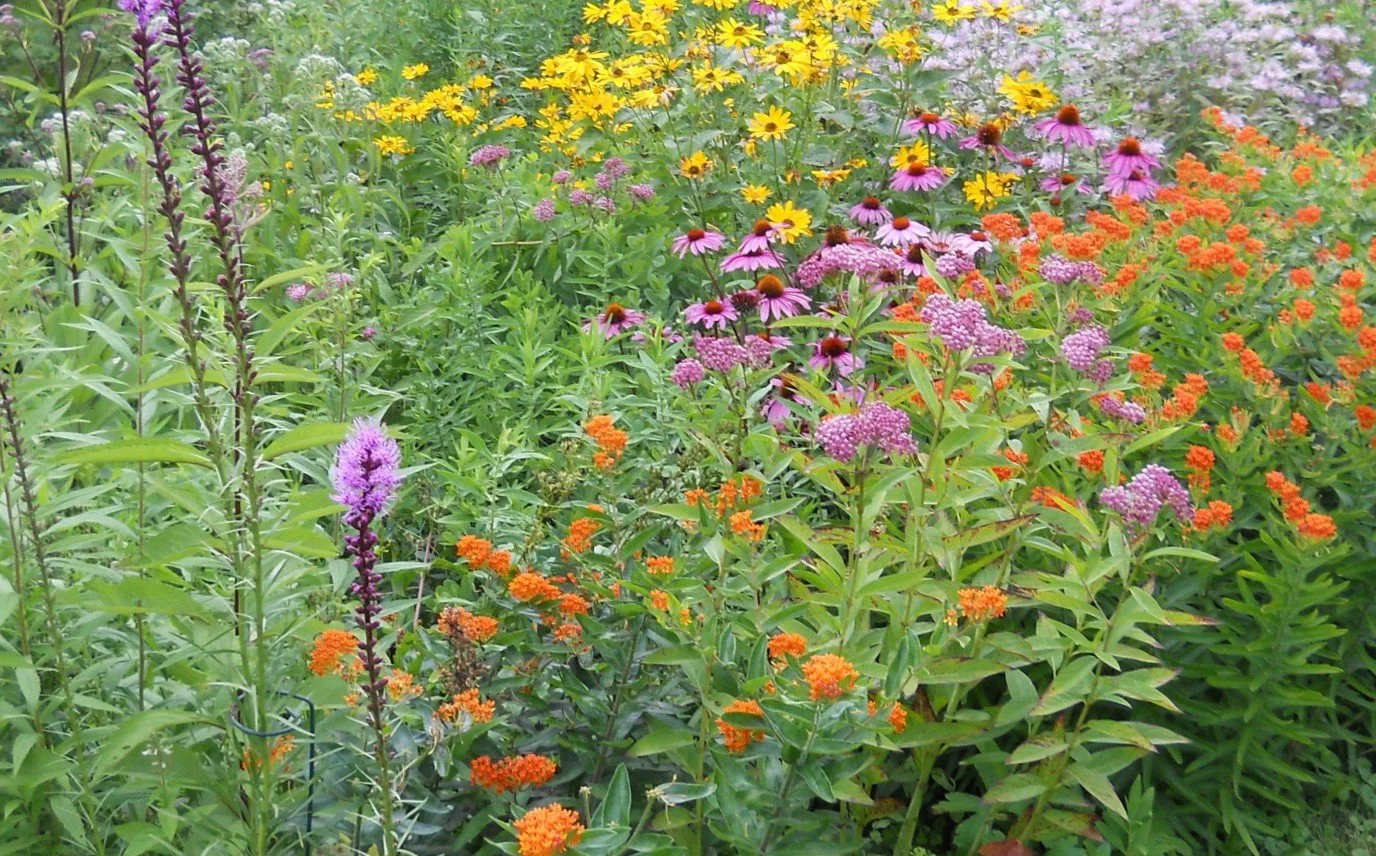
Pro tip: Try planting it directly between Early Goldenrod and False Blue Indigo. The creamy white flowers of the Boneset act as a "color buffer," preventing the bright yellow and deep blue from clashing and creating a more harmonized garden look.
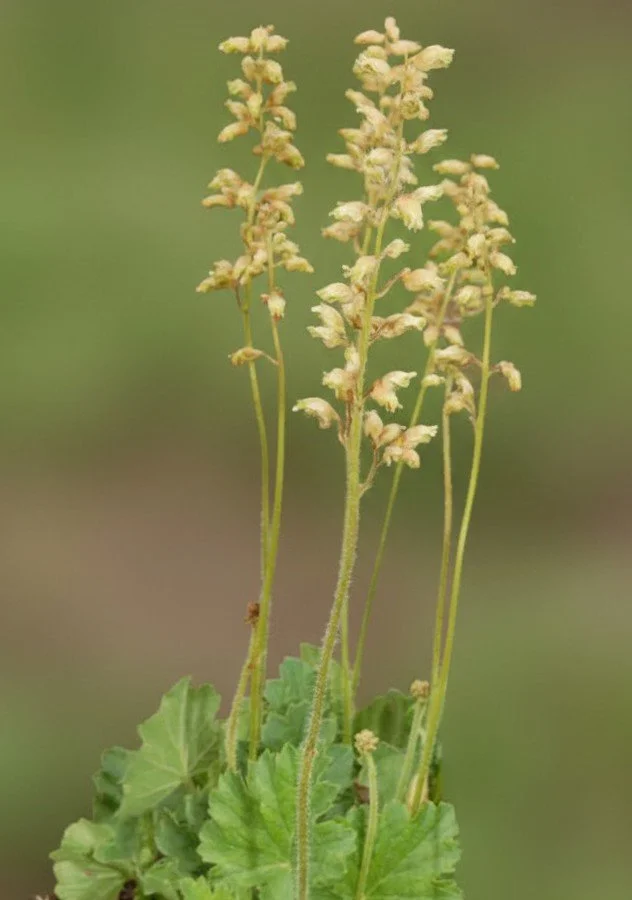
A mound-forming perennial prized for its decorative, curley-edged foliage with quite hairy undersides. In late spring, it sends up slender, leafless wands, often reaching 2-3 feet tall, topped with tiny, bell-shaped flowers that are a subtle blend of green, cream, and reddish-brown. The exserted stamens stick out like orange tongues from under the upper petal’s lip.
Sun Exposure Full Sun to Partial Shade
Water Needs Low to Medium
Soil Type Well-drained Loam or Sand or Gravely soil
Mature Height 1 – 2 feet (Foliage stays low; flower spikes reach higher)
Deer Resistance High
Bloom Time May – July
Bloom Color Pale Green or Cream
Plant Spacing 8 – 12 inches
Soil Moisture: It is tolerant of a wide range of soil moisture, but prefers areas with sand, gravel or other materials that allow moisture to easily drain from the planting site.
Roots: The roots are relatively shallow and may benefit from having winter mulch applied..
Early Pollinators: The tiny, bell-shaped flowers are specifically shaped for small native bees and flies that emerge in the late spring.
Hummingbirds and Butterflies: A variety of butterflies and hummingbirds are attracted to the bell-shaped blossoms.
No results match your search. Try removing a few filters.