
Sedges
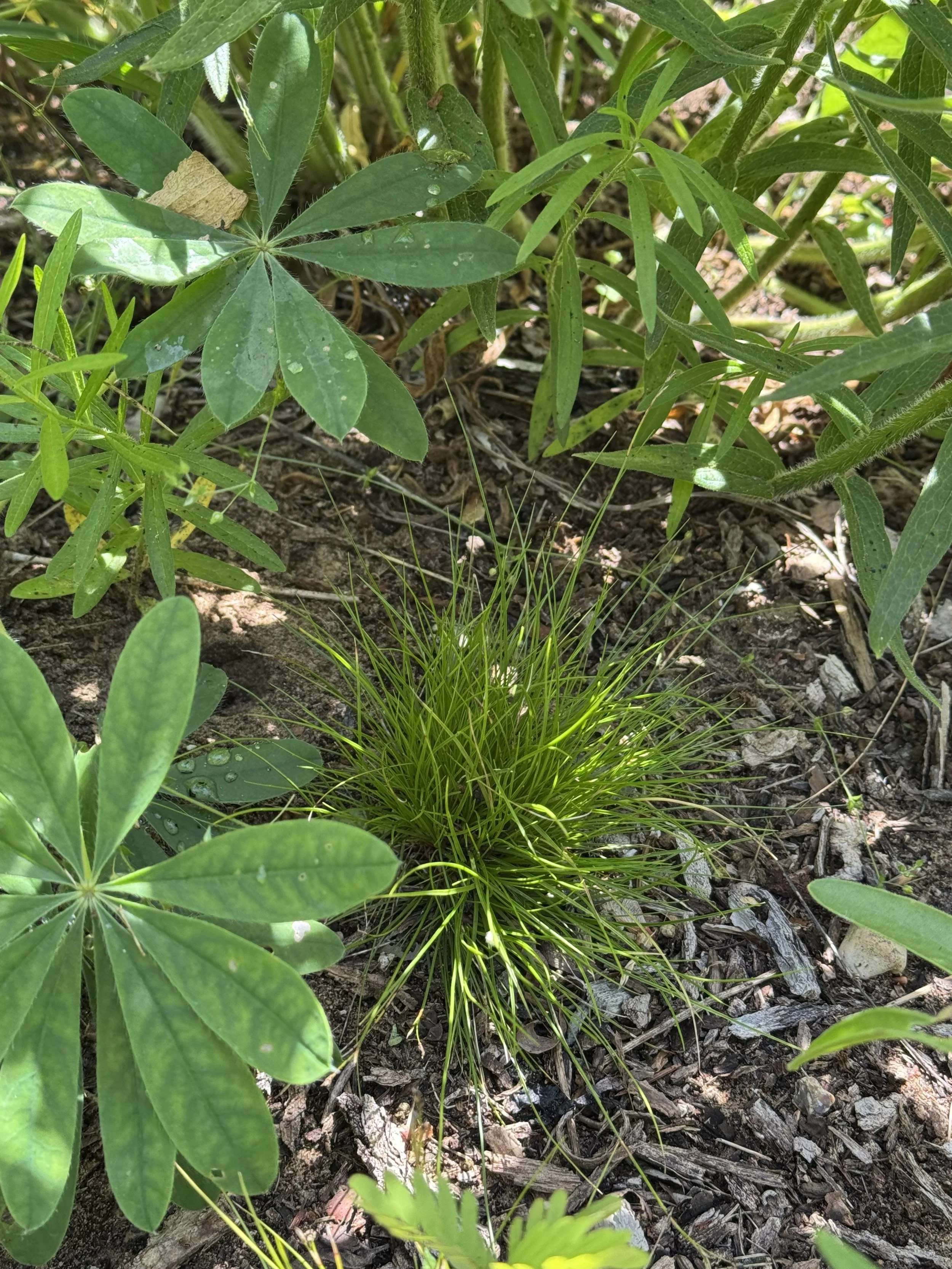
This is a specialized problem-solver for the garden. While many sedges require constant moisture, Ivory Sedge is remarkably drought-tolerant once established but tolerates the conditions better if planted in shade. It is one of the few plants that truly thrives in dry shade and alkaline (high pH) soils, making it an ideal choice for planting under cedar trees or in rocky limestone outcroppings.
Plant Profile
Sun Exposure: full sun, part shade, full shade
Water Needs: low to moderate; very drought-tolerant for a sedge.
Soil Type: well-drained; prefers alkaline, sandy, or rocky soils.
Mature Height: 6 – 10 inches
Deer Resistance: high
Bloom Time: May – June
Plant Spacing: 8 – 12 inches
Plant Characteristics
Compact & Tidy: Its small stature makes it a perfect "filler" plant between larger woodland perennials and also goes well between stones or pavers.
Unique Texture: The incredibly fine blades offer a visual contrast to broad-leaved plants like Wild Ginger or Bloodroot.
Pro Tip: Ivory Sedge is slow-growing but long-lived. Because of its petite size and drought tolerance, it makes an excellent native substitute for traditional lawn grass in heavily shaded areas with minimal foot traffic.
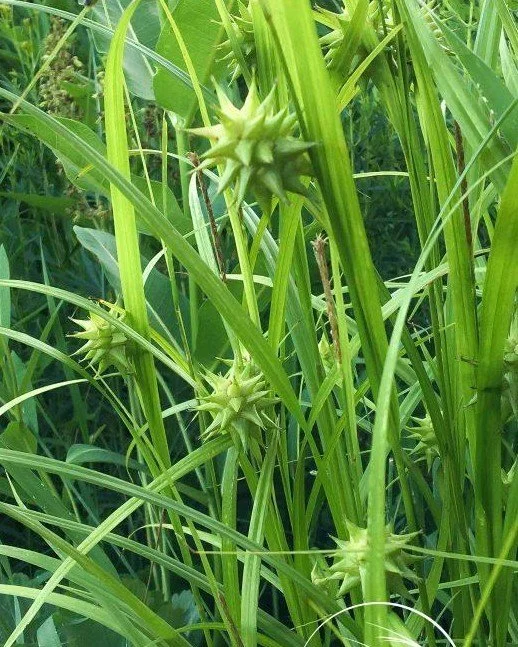
Easily one of the most recognizable sedges in North America, this plant is famous for its large, inflated seed heads that resemble miniature "maces" or spiked morning stars. With its upright, fountain-like habit and lush, green foliage, Common Bur Sedge is a standout choice for adding texture to shady spots. It is a dependable performer that naturally thrives in the dappled light of woodland gardens and damp lowlands.
Plant Profile
Sun Exposure: full sun, part shade, full shade
Water Needs: moderate to high; prefers consistently moist soil.
Soil Type: rich, loams; clay-tolerant.
Mature Height: 2 – 3 feet
Deer Resistance: high (Sedges are generally avoided by deer and rabbits).
Bloom Time: May – August (Seed heads remain decorative through winter).
Plant Spacing: 1 – 2 feet
Plant Characteristics
Architectural Interest: The geometric, star-shaped seed pods are a favorite for floral arrangements and add a unique look to the natural landscape.
Versatile: It is an uncommon sedge because it thrives in both woodlands and wetlands, as well as being a great choice for planting along streams.
Winter Presence: Unlike many perennials that disappear, the sturdy seed stalks stay upright, catching the frost and snow for a beautiful winter display.
Wildlife Benefits
Woodland birds and mammals:In wet wooded areas the unique seeds are eaten by birds such as Wild Turkey, Ruffed Grouse, Wood Duck, Woodcock and small mammals.
Butterfly Host: Serves as a larval host for several species of sedge-feeding butterflies and moths including the Appalachian Brown butterfly.
Pro Tip: Common Bur Sedge is a perfect companion for other shade-loving natives like Wild Ginger, and Ferns. For a striking look, plant it along the edge of a shaded rain garden or a woodland path where its unique seed heads can be admired up close.
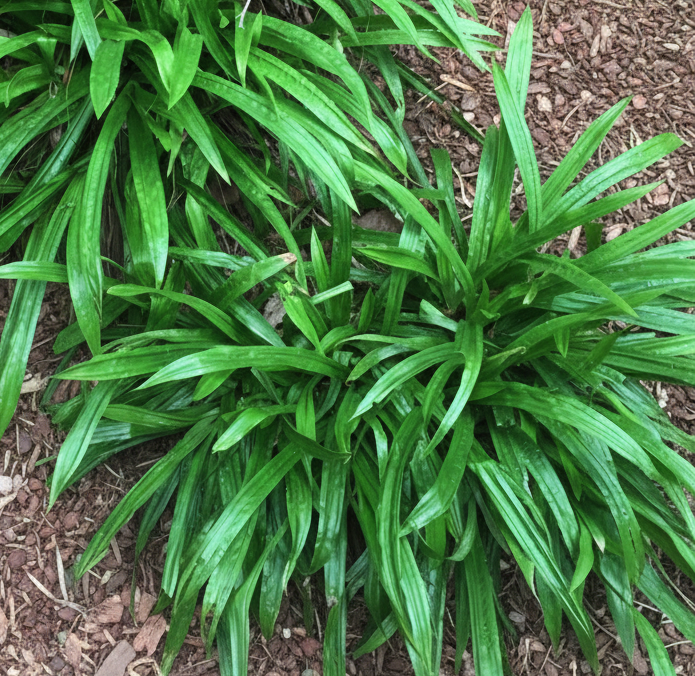
Unlike the fine, grassy leaves of many other sedges, this features broad, puckered (seersucker-like) foliage that resembles the common plantain. This sedge is one of the first plants to signal spring, sending up flowerheads that begin as tight burgundy spears, with yellow filaments emerging from within. It is a clump-forming, slow-spreading native that works beautifully as a groundcover, a border plant for woodland paths, or as a striking accent in a rock garden.
Plant Profile
Sun Exposure: part shade to full shade
Water Needs: medium; prefers consistent moisture but is somewhat drought-tolerant once established
Soil Type: rich, moist, well-drained clay, loam or sand
Mature Height: 6 - 12 inches
Deer Resistance: moderate
Bloom Time: April, May, June
Plant Spacing: 8 - 12 inches
Plant Characteristics
Growing conditions: grows best in a fertile woodland setting with moderate temperatures and relatively high humidity. It prefers medium-dappled shade and consistently moist soil, but will acclimate to a wide range of conditions.
Dry Shade Tolerant: Once established, it handles the difficult "dry shade" conditions found under mature trees better than many other perennials.
Wildlife Value: Wild Turkey and Ruffed Grouse will eat the seed.
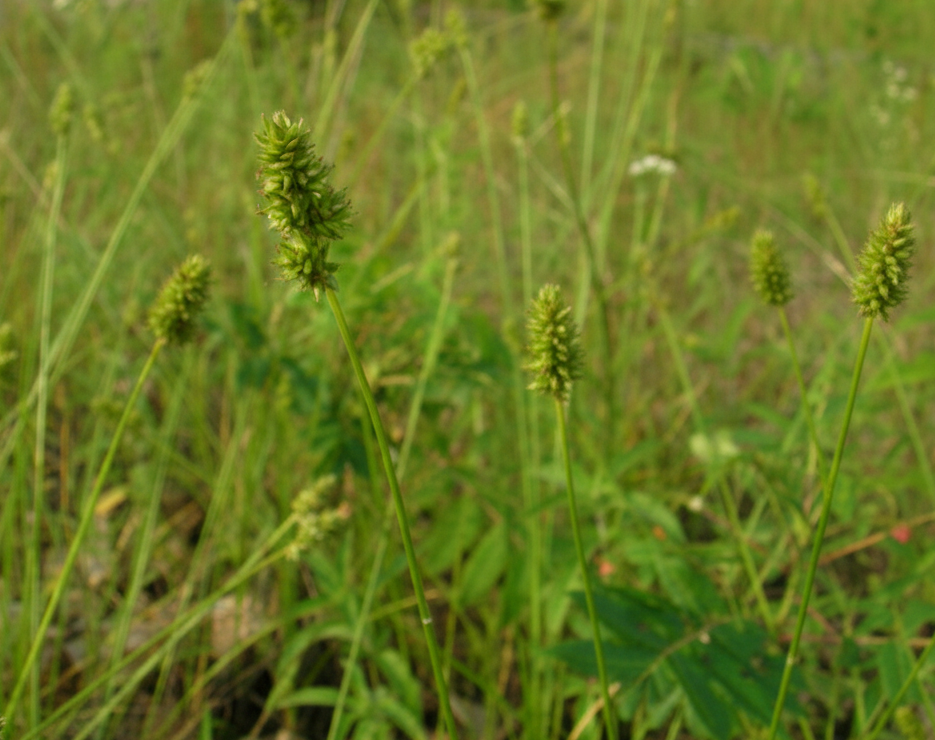
This hardy native perennial is a champion of dry, challenging environments. Named for its preference for sandy or rocky terrains, it is an ideal choice for gardeners looking to fill difficult gaps with a plant that is as tough as it is attractive. Sand Bracted Sedge is particularly valued for its distinct, prickly-looking seed spikes that emerge in late spring. Whether you are designing a rock garden, a dry meadow, or looking for a low-maintenance groundcover for an upland site, this sedge provides reliable structure and year-round appeal.
Plant Profile
Sun Exposure: full sun (preferred) to part shade
Water Needs: low; highly drought-tolerant once established
Soil Type: sandy, rocky, or well-drained loams; tolerates poor soil
Mature Height: 2 - 3 feet
Deer Resistance: moderate
Bloom Time: May, June, July
Plant Spacing: 12–18 inches
Plant Characteristics
Unbeatable Hardiness: One of the best sedges for dry, sandy, or nutrient-poor soils where other plants struggle to survive.
prefers full sun and dry, even sandy soils in areas like sand dunes, upland sand prairies, rocky woodlands, and areas along railroads and fields.
Neat Habit: Unlike some spreading sedges, this species stays in tidy, reliable clumps, making it easy to incorporate into formal garden beds.
Wildlife Benefit:The seeds of this upland sedge are a food source for the birds such as Pheasant, Wild Turkey, Horned Lark, and the Snow Buntings. The Prairie Vole will also feed on the foliage and seeds.
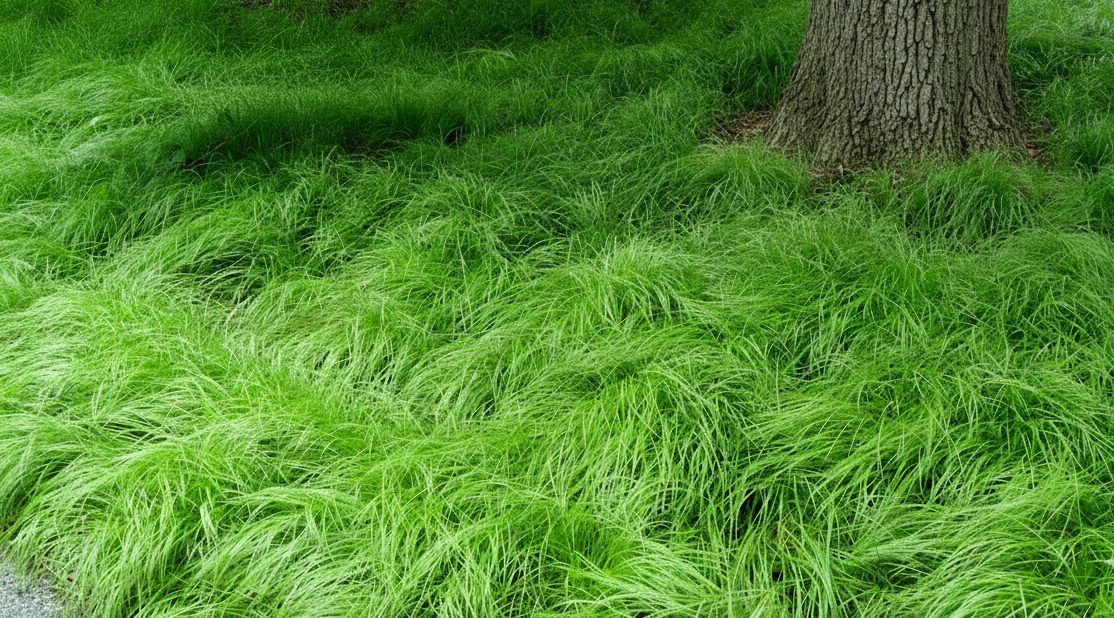
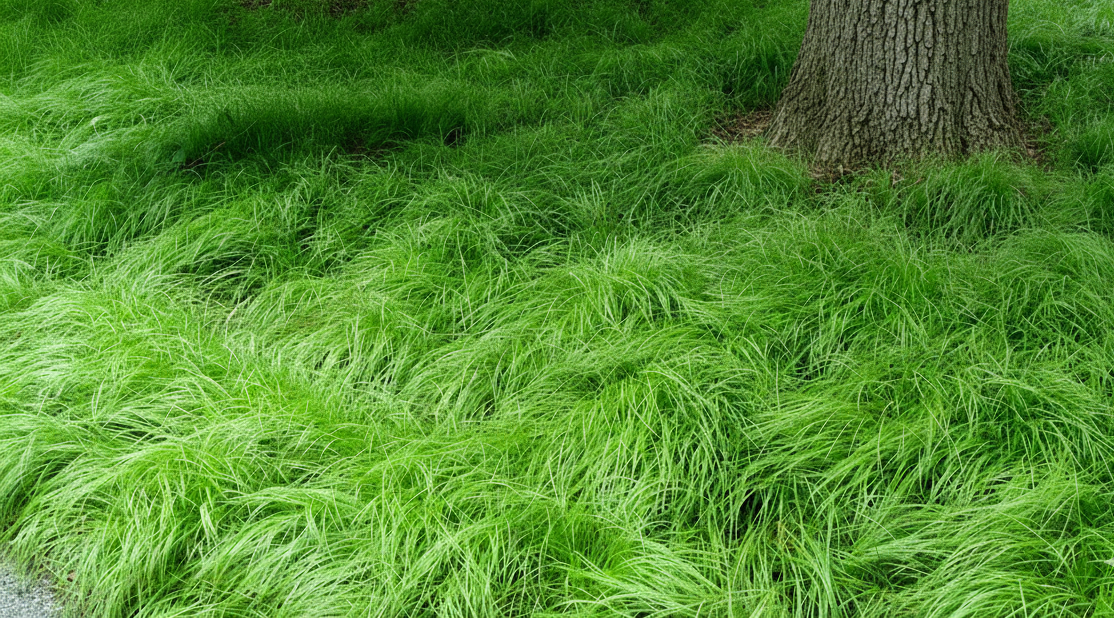
This low-growing, tufted perennial is celebrated for its soft, fine-textured blades that create a lush green "lawn" in areas where traditional turfgrass refuses to grow.Native to the floors of deciduous forests, this sedge is incredibly tough and spreads gently via rhizomes to form a thick, weed-suppressing mat. Whether you're looking to fill gaps between stepping stones or create a serene woodland meadow, Pennsylvania Sedge provides a great low-maintenance alternative for shaded landscapes.
Plant Profile
Sun Exposure: part shade to full shade
Water Needs: low to medium; drought-tolerant once established
Soil Type: well-drained, sand, clay or loam soils
Mature Height: 6–12 inches
Deer Resistance: high
Bloom Time: April, May, June
Plant Spacing: 6–10 inches
Plant Characteristics
Turf Alternative: Perfect for stabilizing slopes or underplanting trees where grass won't take hold. Pennsylvania Sedge is the ultimate "no-mow" solution for dry shade.
Drought Tolerant: Unlike many other sedges, it handles dry shade remarkably well once its root system is established.
It will spread between 3-8" each year depending on the soil moisture of the site.
Great Companions: Some plant suggestions that go well with Pennsylvania Sedge include Columbine,Wild Blue Phlox, Plantain Leaved Sedge, Wild Geranium,Wild Strawberry,Big Leaf Aster
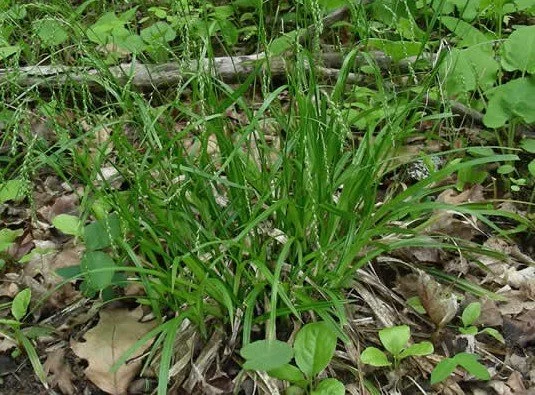
Drooping Woodland Sedge is a must-have for anyone looking to add fine texture to a shade garden. Typically found in rich deciduous and beech-maple-hemlock forests, including forested dunes; also in rocky open forests, mixed forests, and under conifers such as cedar, pine, or hemlock, particularly in moist ground. This native sedge is named for its slender, hair-like flower spikes that arch gracefully toward the ground in late spring.
Plant Profile
Sun Exposure: part shade to full shade
Water Needs: moderate; prefers consistent moisture but can handle average garden soil.
Soil Type: rich, loamy woodland soils; adaptable to rocky ground.
Mature Height: 1 – 2 feet
Deer Resistance: moderate - high
Bloom Time: May – June
Plant Spacing: 12 – 18 inches
Plant Characteristics
Graceful Texture: The "weeping" effect of its foliage and seed heads adds a sense of movement and softness to heavy shade areas.
Shade Solution: Thrives in the dappled light under deciduous trees where many grasses fail to grow.
Not Aggressive: Its narrow, deep-green leaves form tidy, lush clumps that remain attractive throughout the growing season. Unlike many aggressive spreaders, this species stays in polite, arching mounds, making it a perfect choice for bordering woodland paths or tucking between larger plants.
Known for its unique foliage arrangement, the leaves of this native sedge radiate from the stem tips like miniature palm fronds. Native to lowland woods and floodplains, Palm Sedge is incredibly hardy and adaptable. It forms dense, upright clumps that provide an excellent textural contrast to broad-leaved plants. Whether used as a massed groundcover or a focal point in a rain garden, it offers year-round visual appeal and structural integrity.
Plant Profile
Sun Exposure: full sun to part shade (prefers shade in hot climates)
Water Needs: medium to high; thrives in moist to wet conditions
Soil Type: moist, rich loams, sand, clay and brief flooding
Mature Height: 2–3 feet
Deer Resistance: high
Bloom Time: July
Plant Spacing: 1–2 feet
Plant Characteristics and Wildlife Benefit
Unique Appearance: Its "palm-like" appearance adds an unexpected aesthetic to native plantings.
Versatile Solutions: Perfect for ground cover, rain gardens, or those soggy corners of the yard where traditional grasses fail.
Host Plant: Palm Sedge serves as a host plant for several for several Satyr larvae species.
Pro Tip: Palm Sedge is one of the few sedges that handles "wet feet" exceptionally well. To maintain its vibrant green color through the heat of summer, ensure it stays consistently moist. If the tips begin to brown, it’s a sign the plant needs a deep watering or more shade.