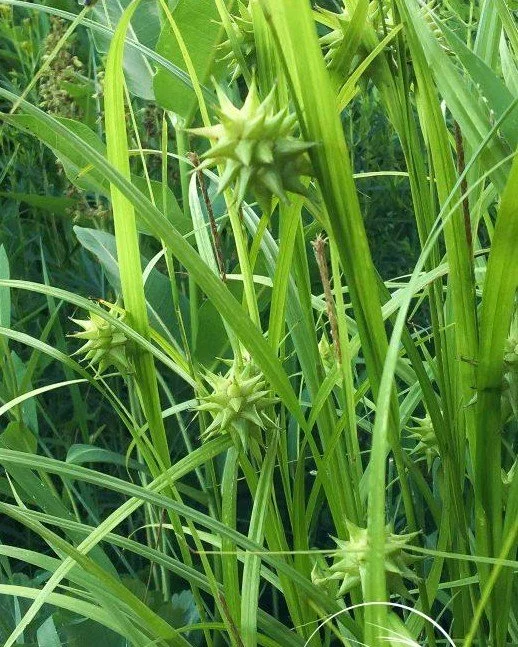
Easily one of the most recognizable sedges in North America, this plant is famous for its large, inflated seed heads that resemble miniature "maces" or spiked morning stars. With its upright, fountain-like habit and lush, green foliage, Common Bur Sedge is a standout choice for adding texture to shady spots. It is a dependable performer that naturally thrives in the dappled light of woodland gardens and damp lowlands.
Sun Exposure Full Sun, Part Shade, Full Shade
Water Needs Moderate to High; prefers consistently moist soil.
Soil Type Rich, loams; clay-tolerant.
Mature Height 2 – 3 feet
Deer Resistance High (Sedges are generally avoided by deer and rabbits).
Bloom Time May – August (Seed heads remain decorative through winter).
Plant Spacing 1 – 2 feet
Architectural Interest: The geometric, star-shaped seed pods are a favorite for floral arrangements and add a unique look to the natural landscape.
Versatile: It is an uncommon sedge because it thrives in both woodlands and wetlands, as well as being a great choice for planting along streams.
Winter Presence: Unlike many perennials that disappear, the sturdy seed stalks stay upright, catching the frost and snow for a beautiful winter display.
Woodland birds and mammals:In wet wooded areas the unique seeds are eaten by birds such as Wild Turkey, Ruffed Grouse, Wood Duck, Woodcock and small mammals.
Butterfly Host: Serves as a larval host for several species of sedge-feeding butterflies and moths including the Appalachian Brown butterfly.
Pro Tip: Common Bur Sedge is a perfect companion for other shade-loving natives like Wild Ginger, and Ferns. For a striking look, plant it along the edge of a shaded rain garden or a woodland path where its unique seed heads can be admired up close.
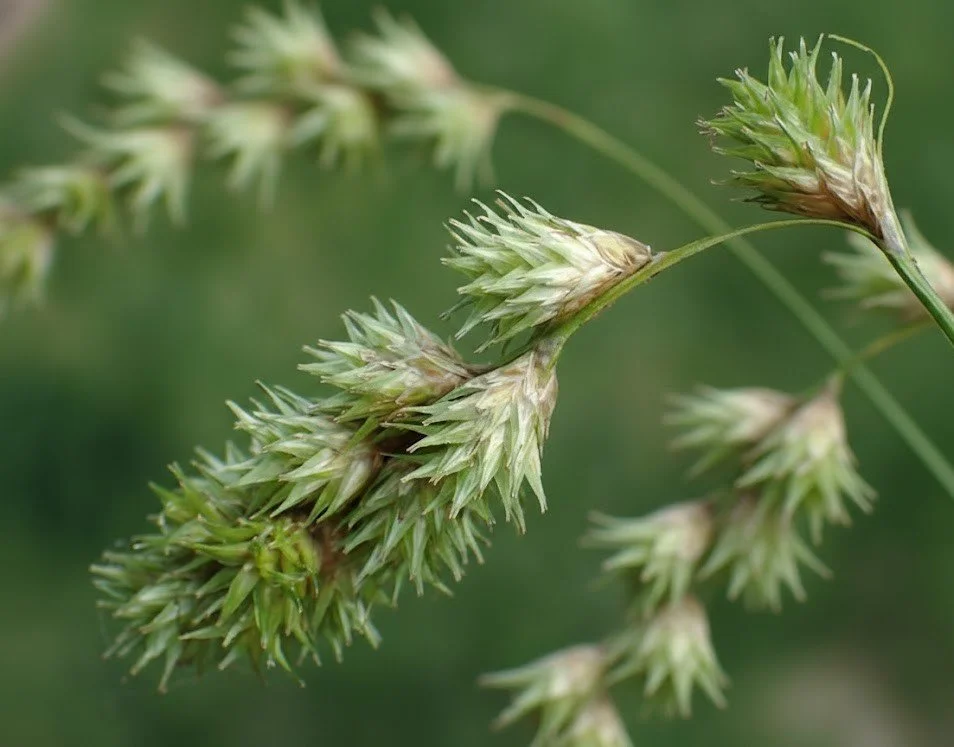
Named for its unique, drooping seed heads that resemble delicate beads on a string, this native perennial is a versatile powerhouse for moist, shaded areas. Unlike many grasses, Necklace Sedge thrives in those tricky, damp spots where other plants might struggle. It is an excellent choice for stabilizing soil, filtering runoff in rain gardens, or adding a naturalized look to a woodland edge.
Sun Exposure Part Shade to Full Shade
Water Needs High; prefers consistently moist to wet soil
Soil Type Rich, loamy, or silty soils; tolerates clay
Mature Height 1–3 feet
Deer Resistance High
Bloom Time July-August
Plant Spacing 18–24 inches
Habitat: River or stream floodplains, forests, marshes, shores of rivers or lakes, swamps, edges of wetlands.
Unique Aesthetics: The "necklace" seed heads add visual interest well into the summer months.
Erosion Control: Its dense root system makes it a functional choice for pond edges or stream banks.
Color: It forms graceful, arching mounds of bright green foliage that provide a lush, soft-textured groundcover or accent along water features.
No results match your search. Try removing a few filters.
