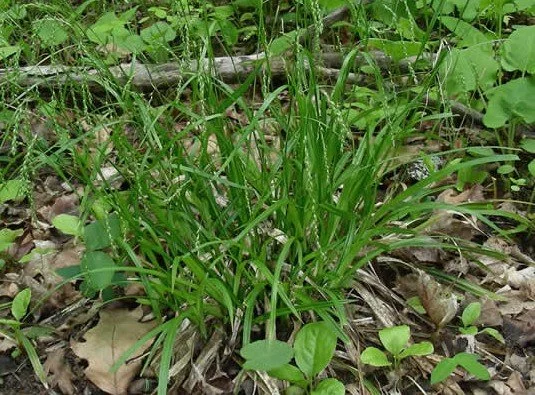
Drooping Woodland Sedge is a must-have for anyone looking to add fine texture to a shade garden. Typically found in rich deciduous and beech-maple-hemlock forests, including forested dunes; also in rocky open forests, mixed forests, and under conifers such as cedar, pine, or hemlock, particularly in moist ground. This native sedge is named for its slender, hair-like flower spikes that arch gracefully toward the ground in late spring.
Sun Exposure Part Shade to Full Shade
Water Needs Moderate; prefers consistent moisture but can handle average garden soil.
Soil Type Rich, loamy woodland soils; adaptable to rocky ground.
Mature Height 1 – 2 feet
Deer Resistance Moderate - High
Bloom Time May – June
Plant Spacing 12 – 18 inches
Graceful Texture: The "weeping" effect of its foliage and seed heads adds a sense of movement and softness to heavy shade areas.
Shade Solution: Thrives in the dappled light under deciduous trees where many grasses fail to grow.
Not Aggressive: Its narrow, deep-green leaves form tidy, lush clumps that remain attractive throughout the growing season. Unlike many aggressive spreaders, this species stays in polite, arching mounds, making it a perfect choice for bordering woodland paths or tucking between larger plants.
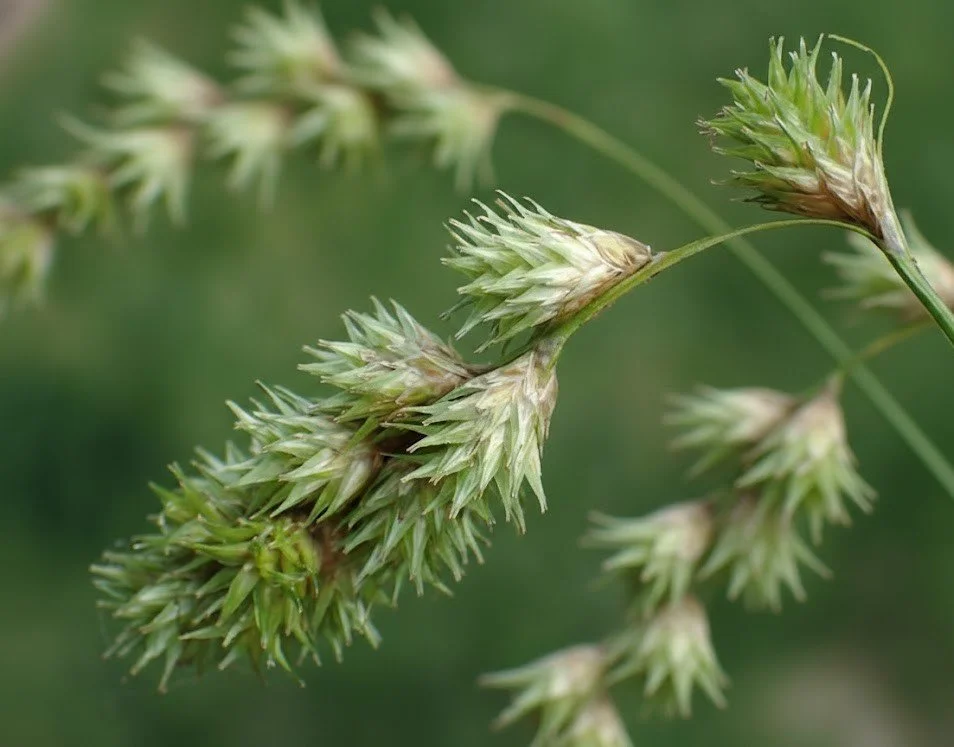
Named for its unique, drooping seed heads that resemble delicate beads on a string, this native perennial is a versatile powerhouse for moist, shaded areas. Unlike many grasses, Necklace Sedge thrives in those tricky, damp spots where other plants might struggle. It is an excellent choice for stabilizing soil, filtering runoff in rain gardens, or adding a naturalized look to a woodland edge.
Sun Exposure Part Shade to Full Shade
Water Needs High; prefers consistently moist to wet soil
Soil Type Rich, loamy, or silty soils; tolerates clay
Mature Height 1–3 feet
Deer Resistance High
Bloom Time July-August
Plant Spacing 18–24 inches
Habitat: River or stream floodplains, forests, marshes, shores of rivers or lakes, swamps, edges of wetlands.
Unique Aesthetics: The "necklace" seed heads add visual interest well into the summer months.
Erosion Control: Its dense root system makes it a functional choice for pond edges or stream banks.
Color: It forms graceful, arching mounds of bright green foliage that provide a lush, soft-textured groundcover or accent along water features.
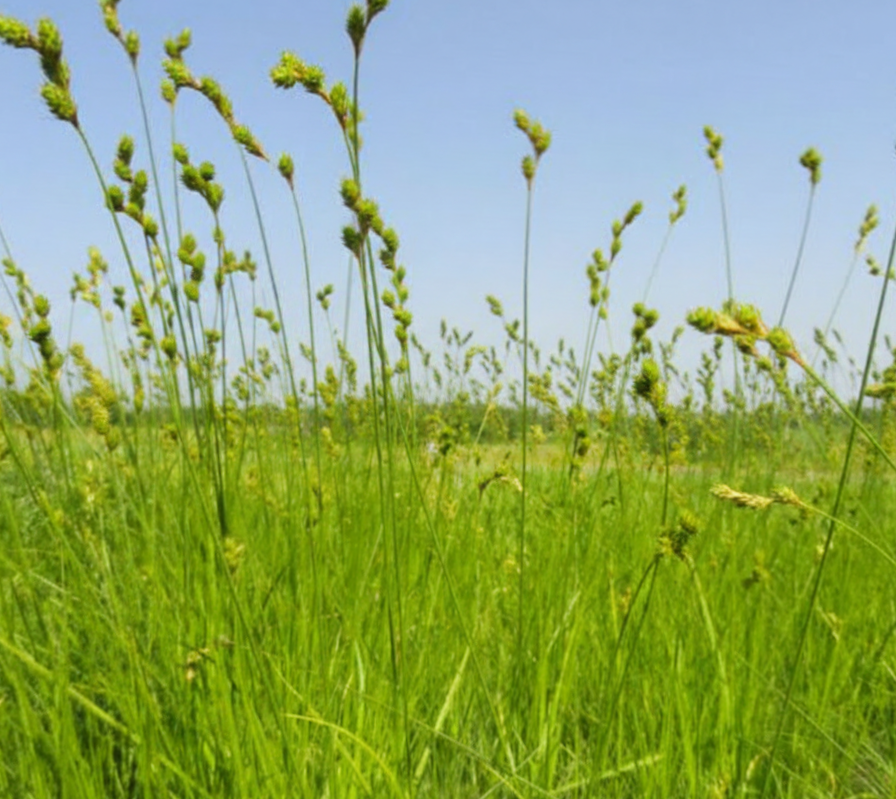
This hardy, adaptable native is known for its distinct, wing-shaped seed heads that cluster into unique "oval" spikes in early summer. Its medium-green foliage forms attractive, fountain-like tufts. Remarkably resilient, it thrives in a range of conditions—from dry, sunny meadows to moist garden borders. Whether you are looking to fill a gap in a native pollinator garden or need a reliable plant for a challenging clay-heavy spot, this sedge delivers both function and subtle, natural charm.
Sun Exposure Full Sun, Part Shade, Shade
Water Needs Low to Medium; very drought-tolerant once established
Soil Type Adaptable; thrives in clay, loam, or sandy soils
Mature Height 1–2 feet
Deer Resistance High
Bloom Time June, July
Plant Spacing 6–10 inches
Extreme Versatility: One of the most adaptable sedges, handling everything from drought to temporary flooding.
Unique Textures: The flattened, oval seed heads provide a fascinating visual detail that stands out in a naturalized landscape.
Low Maintenance: Highly resistant to pests and diseases, requiring almost no intervention once it is settled in your garden.
Pro Tip: Plains Oval Sedge is an ideal choice for "inter-planting" in a meadow or prairie garden. Because it handles dry soil so well, use it as a living mulch between taller flowering perennials like Coneflowers or Black-eyed Susans to suppress weeds and keep moisture in the soil.
No results match your search. Try removing a few filters.
